Create a free Perfumer & Flavorist account to continue reading
Bulgaria’s Natural Ingredient Crisis Is a Warning for Fragrance
Aug 27th, 2026
"Hand-harvesting delicate flowers cannot be easily automated; to produce just 1 kg of rose oil, you need approximately 3,500 kg of hand-picked petals," says Petkov. "However, labor costs continue to rise sharply year over year. As younger generations migrate to urban centers or move abroad, rural communities face severe labor shortages."
Dimitar Petkov
As climate volatility, rising costs and shrinking farm economics put Bulgaria’s iconic rose and lavender crops under mounting pressure, Essential Oils and Herbs’ Dimitar Petkov argues that the industry must rethink how it sources and supports natural materials.
The country's industry is experiencing mass uprooting and distillery shutdowns, as well as labor shortages, regulatory pressure and a widening gap between authentic and non-compliant lavender oil.
"Exhausted by a decade of low prices, farmers—particularly in Northeast Bulgaria—are pulling up their lavender fields entirely, replacing them with wheat and sunflower crops to secure immediate cash flow," says Petka.Dimitar Petkov
In this Q&A, Petkov, commercial director at Essential Oils and Herbs Ltd. and a board member of the Bulgarian National Association of Essential Oils, Perfumery and Cosmetics, outlines what is at stake, and why the survival of small family farms could have implications far beyond Bulgaria.
Petkov calls for longer-term partnerships between growers and fragrance and flavor companies, greater investment in farm infrastructure, stronger traceability and pricing models that reflect the true cost of producing natural ingredients. He also warns that the decline of small-scale agriculture could ultimately leave the global industry with fewer authentic natural materials and less supply-chain resilience.
As climate volatility, rising costs and shrinking farm economics put Bulgaria’s iconic rose and lavender crops under mounting pressure, Essential Oils and Herbs’ Dimitar Petkov argues that the industry must rethink how it sources and supports natural materials.Peter Wynn Thompson/World Perfumery CongressBulgaria is known globally for natural fragrance materials such as rose and lavender. What is the current state of these crops, and what major changes have you seen in recent years?
Petkov: The market chaos we anticipated is now unfolding. Following a punishing season marked by early frosts and extreme summer heat, current weather conditions are adding massive pressure. Intense, unstable weather—including sweeping heatwaves alongside localized hailstorms and sudden afternoon squalls—is fracturing harvest schedules across both Eastern and Central Bulgaria.
These cumulative agricultural pressures are accelerating three major industry trends:
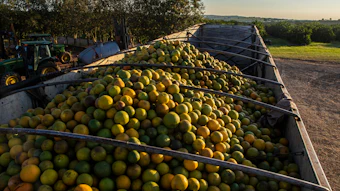
Mass uprooting: Exhausted by a decade of low prices, farmers—particularly in Northeast Bulgaria—are pulling up their lavender fields entirely, replacing them with wheat and sunflower crops to secure immediate cash flow.
The compliance gap: There is a severe global shortage of ISO 3515-compliant lavender oil. The "lavender" planted during the boom years heavily relied on non-genuine material, yielding oil that completely fails international standard specifications.
Distillery shutdowns: Strangled by soaring energy costs and a sudden lack of raw material, many independent distilleries are keeping their doors locked. We expect total production volumes to drop 30-50% compared to previous years.
Small family farms remain essential to the natural ingredient supply chain. Why are these growers so important to the flavor and fragrance industry?
Petkov: For centuries, family farms have been the cornerstone of agricultural communities, embodying stability, heritage, and a way of life passed down through generations. To secure the future of natural ingredients, we must protect these traditional producers. When family farms vanish, we don't just lose acreage—we lose generations of "silent knowledge" regarding soil health, microclimates, and precise harvest timing that corporate monoculture simply cannot replicate.
What are the biggest challenges facing small growers today—from labor shortages and generational shifts to rising costs and changing market conditions?
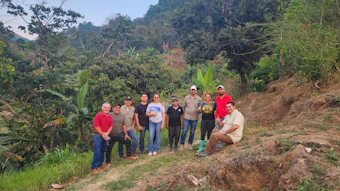
Petkov: The heart of our industry—the family farm—is on life support. According to Ministry of Agriculture data, the number of small Bulgarian farms dropped tenfold between 2003 and today, shrinking from 500,000 to under 50,000.
The shifting realities of Bulgaria's production sector: 2003 vs. 2026.Dimitar Petkov
Beyond structural shifts, growers are trapped in a direct cost squeeze: persistent double-digit inflation, soaring energy tariffs, and skyrocketing prices for essential inputs like fertilizers and fuel have pushed production costs to unsustainable levels. Small growers are caught in a vise between these surging overheads and unpredictable climate events. When a single cold snap or hailstorm can destroy an entire year's crop, family growers lack the financial buffers that large agro-corporations rely on to absorb heavy losses.
When input costs consistently outpace market prices for raw essential oils, small growers are forced to sell off land, abandon farms, or switch to low-maintenance row crops just to survive financially.
How are inflation, energy prices, and increasing production costs affecting the ability of farmers to continue growing natural ingredients profitably?
Petkov: The cost of maintaining a farm—coupled with diminishing returns from volatile global markets—has made traditional cultivation untenable for many. Soaring energy prices directly impact steam distillation, while rising fuel, fertilizer, and equipment costs squeeze thin margins to the breaking point. When input costs consistently outpace market prices for raw essential oils, small growers are forced to sell off land, abandon farms, or switch to low-maintenance row crops just to survive financially.
Many crops require intensive manual harvesting and specialized knowledge. How is the decline in agricultural labor and younger generations pursuing other careers impacting the future of these materials?
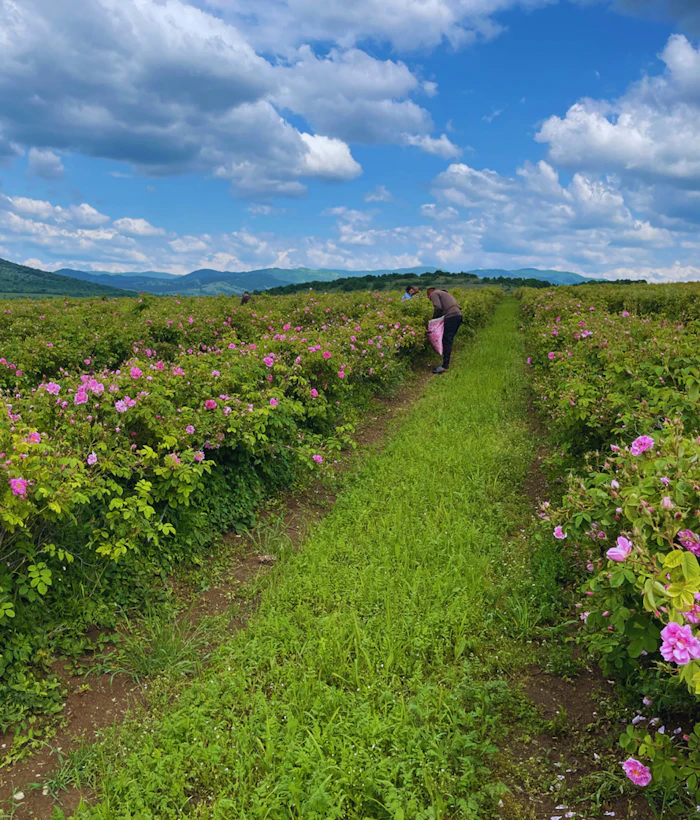
Petkov: Hand-harvesting delicate flowers cannot be easily automated; to produce just 1 kg of rose oil, you need approximately 3,500 kg of hand-picked petals. However, labor costs continue to rise sharply year over year.
As younger generations migrate to urban centers or move abroad, rural communities face severe labor shortages. This loss of agricultural labor directly threatens crop yield and quality, accelerating the permanent loss of generational field expertise.
Sustainability expectations are increasing across the industry. How can companies support more sustainable farming practices while ensuring small farmers can remain economically viable?
Petkov: Today, we see many companies demanding certificates and documentation to "guarantee" sustainable practices. "Sustainability" has effectively become a corporate buzzword used as a gatekeeping requirement rather than a collaborative effort.
True sustainability goes beyond basic environmental paperwork; it requires social and economic viability for the primary producer. Producing natural, organic-certified essential oils is far more labor- and energy-intensive than producing synthetic alternatives. Downstream companies must move beyond surface compliance and support growers by establishing fair pricing models that cover true production costs, offering technical support for regenerative farming (such as water-conserving drip irrigation), and committing to long-term purchasing contracts that provide financial stability.
While some farms attempt to adapt through underground micro-irrigation and cover cropping, these solutions require capital investments around €150,000—costs small family farms cannot bear alone.
Climate change, regulatory requirements, and supply chain uncertainty are creating new pressures on natural ingredients. How are growers adapting, and where are they facing the greatest challenges?
Petkov: Growers face an uphill battle. Unpredictable heatwaves, unseasonal frosts, and sudden storms frequently disrupt delicate flowering windows. While some farms attempt to adapt through underground micro-irrigation and cover cropping, these solutions require capital investments around €150,000—costs small family farms cannot bear alone.
Simultaneously, regulatory friction is choking small producers:
Consulting and compliance costs: Burdensome regulatory frameworks and mandatory compliance audits drain already thin farm profit margins.
Shrinking subsidies: Shifts in EU and domestic agricultural policy are reducing direct area-based payments (площни плащания) for perennial aromatic crops while imposing complex, bureaucratic requirements that smallholder farms are ill-equipped to fulfill.
Traceability and transparency are becoming increasingly important. What risks arise when natural materials pass through multiple intermediaries, and how can the industry better protect authentic farm-to-finished-product traceability?
Petkov: Buying through multi-tiered spot-market traders creates major vulnerability: traders often blend batches from unverified origins to fulfill large volume orders, diluting oil quality and obscuring country-of-origin standards. The industry can protect farm-to-flask integrity by shortening supply chains, adopting direct digital tracking, and utilizing geographical certifications (such as Protected Geographical Indication [PGI]) alongside rigorous testing against ISO specifications.
Cooperatives provide access to shared modern distillation equipment, professional quality testing and collective bargaining power—providing smallholders with the scale required to meet global demand reliably.
What role should fragrance and flavor companies, ingredient suppliers, and traders play in building stronger, more direct partnerships with farming communities?
Petkov: Industry leaders must transition from opportunistic transactional buying to direct, multi-year partnerships. Stakeholders must act collectively to implement four core changes:
Ensure fair pricing: Establish baseline purchase prices that guarantee farmer profitability regardless of short-term market dips.
Co-invest in infrastructure: Provide capital support for distillation efficiency, water management, and quality control.
Protect terroir and tradition: Value and financially reward the cultural heritage and geographical authenticity of premium botanical origins.
Enforce authentic "natural" labeling: Establish strict, protected labeling standards for authentic naturals. Widespread market adulteration—where synthetic or stretched oils are falsely marketed as 100% natural—creates severe reputational risks for both growers and honest F&F houses. A unified, industry-wide strategy is required to clean up market messaging.
Are there successful models or initiatives that demonstrate how the industry can preserve small-scale agriculture while meeting global demand for natural ingredients?
Petkov: Yes, the cooperative model is one of the most effective solutions available. By uniting individual family growers into a cohesive collective, farmers secure direct access to international markets without losing margin to unnecessary intermediaries. Cooperatives provide access to shared modern distillation equipment, professional quality testing and collective bargaining power—providing smallholders with the scale required to meet global demand reliably.
Beyond Bulgaria, these challenges affect natural ingredient producers worldwide. What lessons can the broader flavor and fragrance industry learn from this situation?
Petkov: Bulgaria's crisis serves as an early warning for global supply chains. If the industry takes small-scale farmers for granted, essential natural raw materials will simply disappear as growers convert lands to easier, low-maintenance grain crops. If natural supply chains collapse, fragrance houses will be forced to either switch to synthetic substitutes or undergo costly, full-scale product reformulations. Preserving origin communities is an essential risk mitigation strategy for the entire industry.
Most importantly, what concrete actions are needed today to ensure small family farms remain active suppliers of natural flavor and fragrance ingredients for future generations?
Petkov: We must act immediately across three critical areas:
Guaranteed off-take and fair value: Global fragrance houses and brand owners must sign long-term, direct off-take agreements that protect small growers against price volatility and input inflation.
Policy and subsidy realignment: Governments and regional agricultural authorities must reform direct-payment subsidy structures to support labor-intensive, heritage perennial crops rather than incentivizing mass crop-switching to row grains.
Traceability and authenticity commitments: Consumers and brands must prioritize farm-to-bottle transparency, enforcing strict ISO standard compliance and rewarding authentic, ethically grown natural ingredients over cheap, adulterated substitutes.
 "Exhausted by a decade of low prices, farmers—particularly in Northeast Bulgaria—are pulling up their lavender fields entirely, replacing them with wheat and sunflower crops to secure immediate cash flow," says Petka.Dimitar Petkov
 As climate volatility, rising costs and shrinking farm economics put Bulgaria’s iconic rose and lavender crops under mounting pressure, Essential Oils and Herbs’ Dimitar Petkov argues that the industry must rethink how it sources and supports natural materials.Peter Wynn Thompson/World Perfumery Congress
 As climate volatility, rising costs and shrinking farm economics put Bulgaria’s iconic rose and lavender crops under mounting pressure, Essential Oils and Herbs’ Dimitar Petkov argues that the industry must rethink how it sources and supports natural materials.Peter Wynn Thompson/World Perfumery Congress
 The shifting realities of Bulgaria's production sector: 2003 vs. 2026.Dimitar Petkov