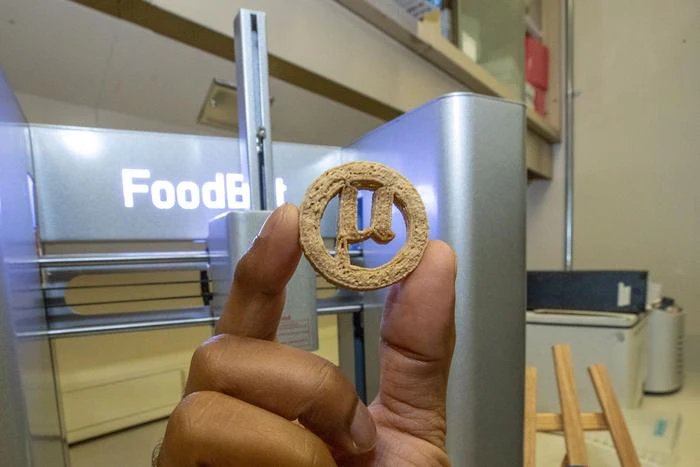
Scientists at Southern Illinois University Carbondale are using programmed yeast as miniature food factories, converting molecules derived from plastic and agricultural waste into ingredients for a protein-rich cookie. The result, dubbed µBites (“microbites”), is designed as a potential food source for resource-limited environments ranging from disaster zones to submarines and deep-space missions.
The process starts with PET plastic, such as that used in beverage bottles, along with discarded corn stalks, leaves and other biomass. Researchers first use a process called oxidative hydrothermal dissolution—combining water and oxygen under high temperature and pressure—to break the difficult-to-use materials into smaller molecules that microbes can access.
The real ingredient-generation work then shifts to engineered yeast. Different yeast strains are programmed to metabolize those breakdown products and rebuild them into useful food molecules, including proteins, fats, acids, vitamins and flavoring compounds. Rather than simply growing yeast on a conventional sugar source, the researchers are effectively using the microbes to transform waste carbon into new food ingredients.
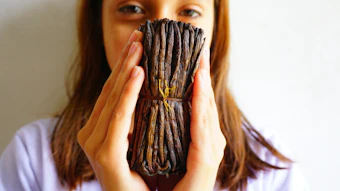
Baker’s yeast has been engineered to produce vanilla flavoring from plant biomass, giving the otherwise highly unconventional cookie a familiar sensory profile. A separate yeast strain can convert ethylene glycol derived from PET into beta-carotene, which the body can convert to vitamin A. The researchers are continuing to engineer the microbes to make the cookie more appealing and consumer-friendly.
The current µBites formulation still relies on conventional additions: after the yeast produces the core ingredients, researchers add fiber, starch and sweetener, then use a 3D printer to form the mixture into cookies. Longer term, however, the team hopes to have microbes produce even these remaining components, pushing the concept closer to a food system in which most of the cookie is generated biologically from waste materials.
For now, the cookies have been shown to be safe to eat, but formal taste testing is still awaiting institutional approval. Early sensory feedback is limited to aroma, with participants generally rating the smell positively and indicating they would be willing to eat the product in resource-constrained circumstances.
The research, supported by NASA's Deep Space Food Challenge and an NSF CAREER grant, offers an unusual glimpse at where precision fermentation could go next: not simply making an alternative protein or a single flavor molecule, but programming yeast to turn waste carbon into an entire palette of food ingredients.