Citronellyl acetate (3,7-dimethyl oct-6-en-1-yl acetate; FEMA# 2311; CAS# 150-84-5; COE# 202; DG Sante# 09.012) is far and away the most widely used citronellyl ester in flavors. It has an attractive combination of rose and fruity pear characters. It may not often feature directly in the spotlight, but it provides a great supporting role in many diverse flavors.
Note that the dose rates given throughout this article are the levels suggested for use in flavors intended to be dosed at 0.05% in ready-to-drink beverages or in a simple bouillon.
This article is only available to registered users.
Log In to View the Full Article
Citronellyl acetate (3,7-dimethyl oct-6-en-1-yl acetate; FEMA# 2311; CAS# 150-84-5; COE# 202; DG Sante# 09.012) is far and away the most widely used citronellyl ester in flavors. It has an attractive combination of rose and fruity pear characters. It may not often feature directly in the spotlight, but it provides a great supporting role in many diverse flavors.
Note that the dose rates given throughout this article are the levels suggested for use in flavors intended to be dosed at 0.05% in ready-to-drink beverages or in a simple bouillon.
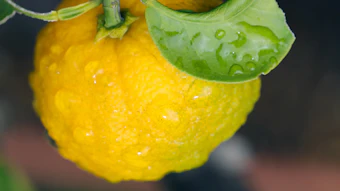
 The ideal level of citronellyl acetate in tangerine is difficult to pinpoint. Twenty ppm works well, but higher levels are also very interesting.Valeri Vatel at Adobe Stock
Enhancing Citrus Flavors
- Citron: Citronellyl acetate provides an important aspect of the middle section of citron flavors. One hundred ppm works well.
- Grapefruit: This raw material adds background complexity to all styles of grapefruit flavors at levels in the region of 20 ppm.
- Kalamansi: At 300 ppm, citronellyl acetate brings an attractive floral hint to kalamansi flavors.
- Lemon: Citronellyl acetate enhances the effects of neryl and geranyl acetates in lemon flavors. It works equally well in peely and juicy flavors. One hundred ppm is ideal.
- Lime: A similar, 100 ppm, level is equally effective in lime flavors.
- Mandarin: At levels ranging from one to 200 ppm, citronellyl acetate adds a welcome floral note to mandarin flavors.
- Orange, bitter: Just a hint of citronellyl acetate, as little as 10 ppm, provides a useful complexity to the profile of bitter orange flavors.
- Sudachi: Sudachi flavors gain from 100 ppm of this ingredient, building the center of the profile.
- Tangerine and clementine: The ideal level of citronellyl acetate in tangerine is difficult to pinpoint. Twenty ppm works well, but higher levels are also very interesting.
 Blueberry flavors already have a vital floral note. Citronellyl acetate adds pleasant complexity at 100 ppm.losinstantes at Adobe Stock
A Floral Boost for Berries
- Blackberry: Citronellyl acetate is very interesting in all berry flavors, the floral and berry notes forming an attractive contrast. Thirty ppm is a good level.
- Blackcurrant: Blackcurrant flavors are more aggressive, and 200 ppm is more appropriate.
- Blueberry: Blueberry flavors already have a vital floral note. Citronellyl acetate adds pleasant complexity at 100 ppm.
- Loganberry: This ingredients fits ideally into the profile of loganberry flavors. Levels vary, but 100 ppm works well.
- Raspberry: Citronellyl acetate rounds out the ionones in raspberry flavors, paving the way for a more substantial violet note. Fifty ppm is a good level in this flavor category.
- Strawberry: My preference in strawberry flavors is for more wild strawberry/jasmine notes. The ingredient blends in perfectly at 200 ppm.
Adding Depth Across the Fruit Basket
- Apple: Citronellyl acetate is very effective in apple flavors, adding depth and a hint of apple skin if it is used in conjunction with citronellyl formate. Five hundred ppm is not excessive.
- Apricot and peach: Apricot and peach flavors both gain complexity from citronellyl acetate. Levels in the region of 100 ppm work well in both flavor profiles.
- Banana: There is no shortage of bright ester notes in banana flavors. Citronellyl acetate rounds things out and deepens the profile. Thirty ppm is a good starting point.
- Cherry: With many cherry flavors high levels of benzaldehyde can be a little overwhelming. Citronellyl acetate, at levels as low as 40 ppm, helps soften the impact of benzaldehyde.
- Grape, Concord: Citronellyl acetate softens the harsher notes in Concord grape flavors, ideally at around 500 ppm.
- Guava: It is all too easy to make the center of guava flavors dominated by cinnamates. Two hundred ppm of citronellyl acetate is a welcome addition.
- Lychee: Lychee flavors are driven by rose notes and citronellol is the perfect choice. The parent alcohol is noticeably enhanced by addition of 500 ppm of citronellyl acetate.
- Papaya: Citronellyl acetate makes an interesting contribution to papaya flavors. Ideal levels of addition range from 100-200 ppm.
- Passionfruit: Passionfruit flavors gain impact from a number of bright, fruity ethyl esters. Citronellyl acetate rounds out the fruity notes at around 100 ppm.
- Pear: Pear flavors can be quite delicate and my suggested level of addition for citronellyl acetate of 1,000 ppm may seem excessive. In reality it fits in well and adds a hint of pear skin.
- Soursop: Citronellyl acetate adds subtle complexity and realism to soursop flavors at levels of addition as low as 30 ppm.
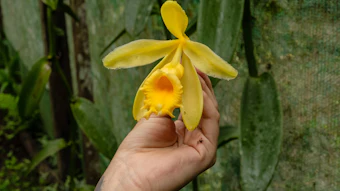
 The list of suggested ingredients for vanilla bean flavors is worryingly long. Citronellyl acetate joins the list at a suggested level of 30 ppm.David Martínez at Adobe Stock
Other Flavors: From Beer to Vanilla
- Beer: Floral notes in beer flavors should only be in the background. This raw material works well at around 10 ppm, enhancing the effect of 2-phenylethyl acetate.
- Butter: Using citronellyl acetate in butter, or any dairy flavor, may seem eccentric! Thankfully, eccentricity is central to our profession. Why not give it a try at 100 ppm?
- Chrysanthemum: Chrysanthemum flavors are an interesting challenge. One hundred ppm of citronellyl acetate builds out the floral note very effectively.
- Cream soda: Cream soda flavors are attractive, but often way too simple. A rose note is helpful and citronellyl acetate helps to build that note out from being simply citronellol or geraniol. Three hundred ppm is effective.
- Elderflower: Elderflowers are a particular favorite of mine, derived from happy memories of family homemade elderflower wine. Hotrienol is central, boosted by secondary floral notes, including citronellyl acetate at around one hundred ppm.
- Ginger: Adding something interesting, with a positive impact on ginger flavors leaves us with a fairly limited list of ingredients. Citronellyl acetate is effective at 500 ppm.
- Honey: The floral center of honey flavors will depend on the type of honey that is targeted. Luckily, 500 ppm of this ingredient is helpful in most types.
- Rose: Citronellyl acetate is clearly very much at home in rose flavors, working well in combination with citronellol and other citronellyl esters. The level is very much a question of creative choice, but 200 ppm is a starting point.
- Tea: Tea flavors are an interesting challenge. Citronellyl acetate is not helpful in green tea flavors, but it does round out other tea profiles. One hundred ppm is ideal in black tea flavors, and 50 ppm is better in red tea flavors.
- Vanilla bean: The list of suggested ingredients for vanilla bean flavors is worryingly long. Citronellyl acetate joins the list at a suggested level of 30 ppm.