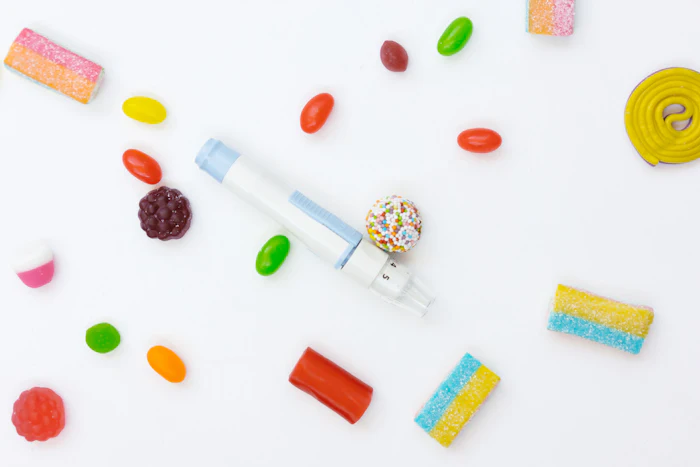
As GLP-1 medications reshape eating habits, flavorists and product developers face a new challenge: delivering nutrition and sensory satisfaction in smaller portions that consumers can comfortably finish.
In its new report, GLP-1 Consumer Moments of Opportunity, International Flavors & Fragrances (IFF) identifies ten consumer moments that could help food and beverage manufacturers rethink product formulation, highlighting opportunities to tailor flavor intensity, aroma, texture and finish to changing appetites and expectations.
The report found that 93% of the GLP-1 consumers studied reported reducing meal portions, while 83% said they were eating smaller meals more frequently. As eating occasions become smaller and potentially more frequent, every bite and sip has a greater role to play in delivering both nutritional value and enjoyment.
“What GLP-1 users need from food and beverage products depends on the moment, and those needs can change many times throughout the day,” said Yuvraj Arora, president of IFF Taste. “The most successful innovations will be designed around the occasions that matter most to consumers, delivering the right balance of nutrition, enjoyment and functionality for each one.”
Flavor Intensity, Aftertaste and Texture Under Scrutiny
For flavorists, one of the report's clearest messages is the need for greater sensory precision. IFF identifies excessive sweetness, strong aromas, chalky or gritty textures and lingering aftertastes as potential sources of dissatisfaction among GLP-1 consumers.
The findings point to opportunities for developing more restrained, predictable sensory profiles for occasions when consumers are cautious about eating, without defaulting to reduced flavor intensity across entire product portfolios.
For example, the report's post-dose recovery window identifies an opportunity to explore mild flavors, restrained aromas and easy-to-consume formats for consumers who report discomfort or heightened sensory sensitivity around medication dosing. Experiences vary, however, and the report cautions against assuming that all GLP-1 users experience the same symptoms or timing.
Elsewhere, familiar flavors and smooth textures could help make protein-focused breakfasts easier to finish, while planned indulgence calls for a different approach: delivering a rewarding flavor experience in a smaller serving, where disappointing texture or lingering aftertaste may be particularly noticeable.
End-of-day comfort occasions present another opportunity. Consumers may seek familiar flavors and appealing textures to create a restorative ritual, but their usual comfort foods may feel too rich or sweet. Developers must therefore balance familiarity and satisfaction with sensory profiles suited to the occasion.
Formulating for Nutrition Without Compromising Taste
Protein remains a prominent priority, alongside digestive comfort, fiber and hydration. However, increasing protein density can introduce texture and flavor challenges, while fiber and other functional ingredients bring additional formulation requirements.
IFF recommends assessing nutritional targets alongside the sensory qualities of the portion consumers are likely to enjoy. This creates a role for flavorists in helping address the sensory challenges of nutritionally dense formulations, ensuring that products deliver their intended benefits without sacrificing palatability.
The opportunity extends beyond conventional nutrition products. IFF notes that familiar savory foods, including poultry, remain relevant to GLP-1 consumers, reinforcing the need to consider flavor development across categories rather than focusing exclusively on protein shakes, bars and snacks.
The report also encourages manufacturers to reconsider what constitutes competition. Dairy, bakery, savory foods and beverages may all compete to satisfy the same need, whether that is a convenient nutritional boost, a satisfying midday snack or a small indulgence. The winning product may be the one that best combines nutrition, sensory appeal and a manageable portion.
Hydration Opens Another Flavor Innovation Front
Beverages represent a distinct opportunity, with IFF introducing its Hydration Plus framework to identify five consumer need states: Replenish, Maintain, Revitalize, Perform and Connect.
Each creates different sensory considerations. Replenishment may call for refreshing fruit or citrus profiles and manageable serving sizes. Everyday hydration may benefit from gentle flavor and appropriate sweetness that remain appealing with repeated consumption. Beverages designed around nutritional support must also contend with bitterness, mineral notes and unwanted mouthfeel introduced by added vitamins, minerals or other functional ingredients.
For flavorists, this means evaluating the complete drinking experience, including flavor intensity, sweetness, mouthfeel and finish, rather than treating hydration as a single product proposition.
IFF also highlights the potential of familiar botanical cues, softer profiles and comforting serving temperatures for beverages intended to accompany an end-of-day pause or social occasion. The report distinguishes these sensory associations from physiological claims about relaxation or other health effects.
Designing Around the Occasion
The report draws on proprietary consumer research, analysis of snacking behaviors and more than 25,000 social media posts related to GLP-1 use and snacking, and secondary industry data.
Its central recommendation is to build product briefs around specific consumer needs rather than treating GLP-1 users as a single segment. The same person may want mild, familiar flavors during one eating occasion and a more expressive sensory experience during another.
IFF proposes a three-part formulation framework: Feel, Function and Fit. Feel encompasses the emotional and sensory experience; Function addresses nutritional and practical benefits; and Fit considers how the product works within consumers' daily lives.
For flavorists and their innovation colleagues, the framework offers a starting point for reassessing existing formulations and developing new products around smaller portions, changing sensory preferences and specific consumption occasions.
As Arora noted, understanding these moments can unlock new avenues for innovation. The challenge is not simply to make products smaller or less intense, but to ensure that each delivers the right combination of flavor, texture, nutrition and enjoyment for the moment it is designed to serve.