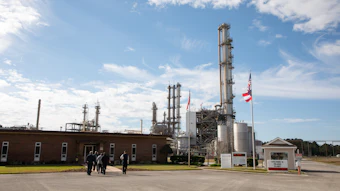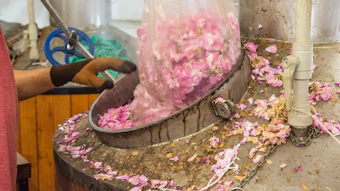
In this month’s column we evaluate ingredients from Axxence, a privately held company founded in 1986, with its headquarters in Emmerich, Germany. Axxence is a manufacturer and supplier of natural flavor ingredients to the global flavor and fragrance industry. Since 2021, the company has been majority-owned by the Capiton Group of Berlin. In 2024, Axxence strengthened its position as a global leader in natural aroma chemicals by partnering with Natural Advantage, expanding the portfolio to more than 475 products and reinforcing the company’s presence in North American and international markets, while supporting innovation and sustainability.
Organoleptic Evaluation Panelists
- Andrea Albertino, Ph.D., Senior Flavorist, Esarom
- Trevor Groome, Consultant Flavorist – Director, Orchid Aromatech Ltd
- Bimal Karmakar, Ph.D., Principal Flavorist, Givaudan
- Britta Nobis, Senior Flavorist, Silesia
- Maria Palassarou, Ph.D., Flavorist, Givaudan
- Ján Peťka, Ph.D., Head of Flavor Development, Austria Juice
- Michele Pezzotta, Flavorist, Silesia Flavors
- Aine Walsh, Principal Flavorist, Keurig Dr Pepper
Natural vanillin ex vanilla beans
FEMA# 3107, CAS# 121-33-5
- Odor Descriptors @ 10%: Vanilla, sweet, powdery, beany, balsamic, tonka, creamy notes, phenolic, woody.
- Taste Descriptors @ 20 ppm: Vanilla, sweet, powdery, beany, balsamic, phenolic, slight woody, creamy, custard nuance, brown sugar notes.
- Possible Applications: Its sweet, balsamic elements would complement all vanilla profiles, from creamy French vanilla to beany vanilla Madagascar type, while it would provide additional complexity to variety of brown flavors, like caramel and chocolate. The creamy, custard attributes would make it a great addition to various sweet dairy tonalities, like ice cream, whereas its phenolic, woody character would also complement spicy profiles, like cinnamon. Key ingredient for variety of fruit tonalities providing subtle sweetness, from stone fruits, like peach and cherry, orchard fruits, like red apple profiles, to berries, like raspberry and strawberry.
Natural vanillyl ethyl ether
FEMA# 3815, CAS# 13184-86-6
- Odor Descriptors @ 20%: Phenolic, alcoholic, rummy, woody, smoky, spicy, clove, vanilla notes, earthy, musty, nutty, honey nuance.
- Taste Descriptors @ 5 ppm: Phenolic, alcoholic, rummy, warming sensation, slight burning, woody, smoky, vanilla notes, cocoa, honey nuance, exotic, horseradish notes.
- Possible Applications: Its dominant phenolic character would complement variety of alcohol tonalities, from cask aged spirits, like rum and whiskey, to wine and beer. Its warming, slight burning attribute could make it key ingredient for alcohol free drink profiles, while it would provide additional complexity on taste and sensation to spices flavors, like ginger. Moreover, it could complement savory tonalities as a hot sensate, like in chili and pepper profiles. The phenolic woody elements would make it a great addition to vanilla profiles bourbon type, as well as on smoke flavors.
Natural rose oxide
FEMA# 3236, CAS# 16409-43-1
- Ingredient Specification: cis- and trans-isomers at 69:31 ratio.
- Odor Descriptors @ 1%: Floral, rose, geranium notes, green, herbal, tropical, spicy, metallic, slight burnt, citrus nuance, tea notes.
- Taste Descriptors @ 3 ppm: Floral, rose, geranium notes, green, herbal, tropical, mango taste, spicy, slight burnt, citrus, tea like, metallic, hop notes.
- Possible applications: Its dominant floral character would make it ideal addition to rose and geranium flavor profiles, whereas in combination with its green aspect, it would complement variety of tropical fruit tonalities, like lychee, guava, and mango. Its green, herbal elements would provide complexity to tea flavors, like early grey, as well as beer profiles due to its additional characteristic hop-like note.
 Natural 5-methyl-2-epten-4-one 1% TA's roasted aspect would complement variety of brown flavors, like chocolate, cocoa and coffee.raquel at Adobe Stock
Natural 5-methyl-2-epten-4-one 1% TA
FEMA# 3761, CAS# 81925-81-7
- Odor Descriptors @ 1%: Nutty, hazelnut, roasted, pungent, sweet, brown notes, rhubarb, earthy, musty, slight burnt, peanut shell, tonka nuance, coffee notes.
- Taste Descriptors @ 3 ppm: Nutty, hazelnut, sweet, rhubarb, pungent, roasted, brown, chocolate notes, cocoa, coffee, burnt rubbery.
- Possible Applications: Its characteristic sweet, nutty attributes make it the key ingredient for hazelnut and praline profiles, apart from variety of nuts tonalities. Its additional roasted aspect would complement variety of brown flavors, like chocolate, cocoa and coffee, whereas it could also provide complexity to savory profiles, like roast beef. The sweet, slight tonka element could make it also a great addition to rhubarb flavors, providing the characteristic rhubarb tart note.
Natural pyrazines 20
FEMA# 3272, 3273, 3281, 3271, CAS# 123-32-0, 108-50-9, 13925-00-3, 5910-89-4
- Ingredient Specification: Mixture of 2,5-dimethyl pyrazine, 2,6-dimethyl pyrazine, 2,3-dimethyl pyrazine and 2-ethyl pyrazine.
- Odor Descriptors @ 0.1%: Nutty, roasted, musty, earthy, pungent, cocoa, bready, cereal notes, dried fruit nuance, coffee, slight burnt, meaty.
- Taste Descriptors @ 2 ppm: Nutty, roasted, musty, earthy, cocoa, cereal notes, dried fruit nuance, fermented, slight burnt, woody, coffee, meaty.
- Possible Applications: Its dominant roasted character would provide complexity to variety of nuts profiles, like peanuts, as well as brown flavors, like chocolate, cocoa and coffee. It could furthermore make it a great addition to savory roasted meat profiles. Its bready, cereal elements would complement majority of bakery flavor tonalities, from grains to biscuits, whereas its fermented aspect could make it a great addition to dried fruits flavors, like dates and prunes, as well as ripe fruit profiles.
 Natural 3-(methylthio) hexyl acetate's characteristic alliaceous note would make it a great fit to savory tonalities for bulb vegetables, like onion.FomaA at Adobe Stock
Natural 3-(methylthio) hexyl acetate
FEMA# 3789, CAS# 51755-85-2
- Odor Descriptors @ 100%: Tropical, sulfurous, green, pungent, spicy, alliaceous, mustard, vegetable, tomato notes, slight cheesy, floral nuance.
- Taste Descriptors @ 1 ppm: Tropical, sulfurous, alliaceous, green, vegetable, earthy, fermented, ripe, slight mustard, cheesy, slight metallic passion fruit notes.
- Possible Applications: Its intense tropical sulfurous character would complement a variety of exotic fruit tonalities, like passion fruit, durian, dragon fruit, and lychee, while it could also provide complexity to sulfur, spicy citrus profiles, like grapefruit and yuzu. Its floral green nuance might make it also a great addition to rose and geranium profiles. The characteristic alliaceous note would make it a great fit to savory tonalities for bulb vegetables, like onion and garlic, whereas its spicy aspect would complement mustard flavors. The green, earthy, slight metallic element would also benefit vegetable profiles, like tomato and potato.
Natural ethyl 3-(methylthio)propionate
FEMA# 3343, CAS# 13327-56-5
- Odor Descriptors @ 100%: Tropical, sulfurous, pineapple notes, alliaceous, fruity, estery, ripe, fermented, metallic, slight rubbery, tomato, canned fruit notes.
- Taste Descriptors @ 3 ppm: Tropical, pineapple notes, estery, ripe, sweet, sulfurous, metallic, canned fruit taste, slight vegetable, tomato, rummy, hop nuance.
- Possible Applications: Its characteristic tropical, estery aspects would provide complexity to various exotic fruit tonalities, like pineapple, whereas the sweet, fermented element could complement canned fruit profiles. The green hop nuance might make it a great addition to beer flavor profiles, while its slight rubbery plastic aspect might benefit spirits profiles, like rum. The sulfur, green, alliaceous elements would also complement various savory vegetable tonalities, like spring onions, chives and tomato.
 Natural 4-mercapto-4-methyl-2-pentanone 1% TA's intense sulfurous, catty character would provide depth and complexity to variety of berries tonalities, especially blackcurrant, tropical fruit profiles, like passion fruit.sveta_zarzamora at Adobe Stock
Natural 4-mercapto-4-methyl-2-pentanone 1% TA
FEMA# 3997, CAS# 19872-52-7
- Odor Descriptors @ 0.001%: Sulfurous, catty, blackcurrant notes, tropical, green, metallic, alliaceous, burnt plastic, meaty.
- Taste Descriptors @ 1 ppb: Sulfurous, catty, blackcurrant, dark berries, tropical, meaty, alliaceous, slight burnt, hop nuance, white wine notes.
- Possible Applications: Its intense sulfurous, catty character would provide depth and complexity to variety of berries tonalities, especially blackcurrant, tropical fruit profiles, like passion fruit and mango, as well as sulfur citrus, like grapefruit. The dark berries fruit aspect would complement grape flavor profiles, as also wine tonalities. Moreover, its alliaceous and meaty notes might make it a great addition to various savory tonalities, like onion and chicken meat profiles.