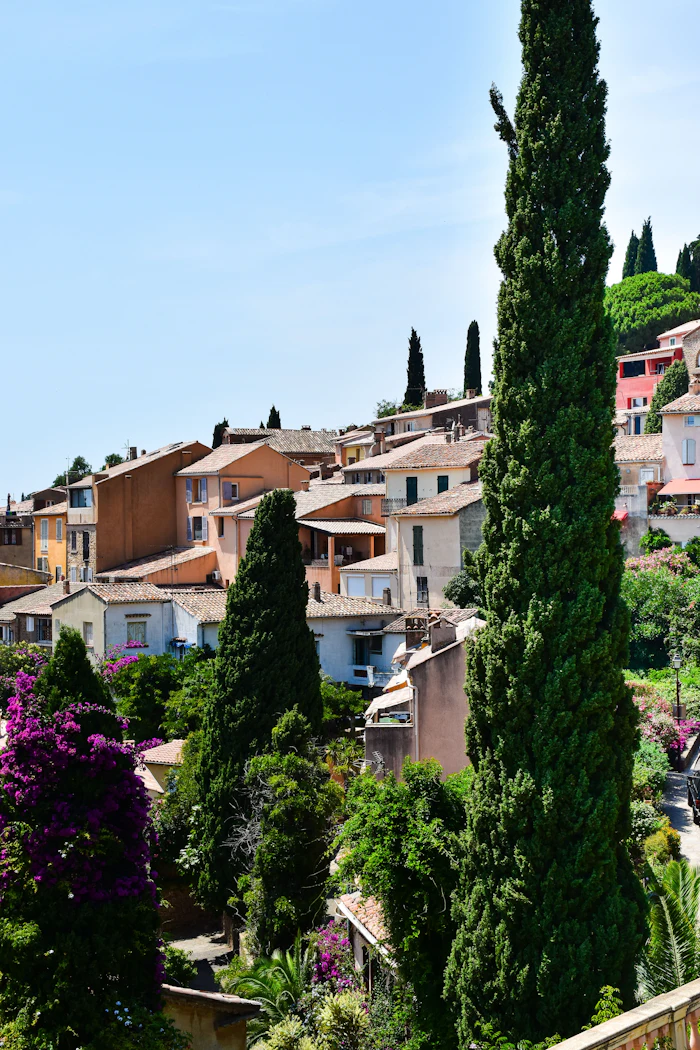
SIMPPAR 2026 transformed the streets of Grasse into a showcase for the future of fragrance ingredientsa, bringing together suppliers, perfumers and raw material innovators for two days of discovery in the world's perfume capital. From sustainable naturals and low-carbon aroma chemicals to next-generation musks, fruity captives and botanicals refined through advanced extraction technologies, this year's launches reflected the industry's dual focus on olfactive differentiation and responsible innovation. Here, we highlight some of the standout ingredients and technologies unveiled at the exhibition, offering a glimpse into the materials poised to influence fragrance creation in the years ahead.
Creamy Musk and Lasting Radiance to Modern Fragrance Design
IFF’s Luminide (6H-6A,9-methanobenzo[H]quinazoline, 5,7,8,9,10,10A-hexahydro-6,6,10,10-tetramethyl-) is a versatile musk ingredient that delivers a clean, powdery softness paired with warm sweetness and a creamy, skin-like elegance. With balanced impact across the top, heart and base of a fragrance, it adds both lift and longevity while enhancing texture and volume throughout a composition.
 IFF's Luminide can amplify floralcy, round out spicy notes and smooth woody or amber blends into more refined, enveloping creations. Perfumers describe the material as radiant yet intimate, offering a graceful scent evolution and strong substantivity lasting more than seven days.Алекс Ренко at Adobe Stock
Particularly effective in white floral, fruity and muguet accords, Luminide can amplify floralcy, round out spicy notes and smooth woody or amber blends into more refined, enveloping creations. Perfumers describe the material as radiant yet intimate, offering a graceful scent evolution and strong substantivity lasting more than seven days.
Compatible with ingredients such as IFF’s Ambermor, Iso E Super and Ylanganate, the renewable, vegan-suitable ingredient is designed for broad formulation flexibility at use levels up to 3%. (Launched in 2024, Ylanganate, delivers solar white floral notes that enhance fruity, sweet and vanillic accords while offering strong performance, low-use levels, biodegradability and a natural-feeling profile without discoloration risk.)
Delta-Cadinene for Herbal Fougere Depth
O’Laughlin’s delta-cadinene, a terpene with a distinctly woody, herbal profile edged by thyme-like aromatics and an earthy sophistication that reads as both dry and slightly resinous.
At ultra-trace levels up to 1%, the material is designed as a structural modifier rather than a dominant note, extending warmth, reinforcing aromatic fougères and adding subtle naturalistic depth without tipping accords into heaviness.
 With its green-woody tension, O’Laughlin's delta-cadinene offers perfumers a tool for refining herbal freshness, grounding citrus-aromatic openings and giving modern fougères a quieter, more textural complexity. Goffkein at Adobe Stock
With its green-woody tension, delta-cadinene offers perfumers a tool for refining herbal freshness, grounding citrus-aromatic openings and giving modern fougères a quieter, more textural complexity. It sits particularly well in compositions seeking a bridge between classic aromatic masculines and more contemporary, naturalistic woods.
delta-cadinene emerges here less as a headline note and more as a background architect, quietly shaping structure, diffusion, and dryness in finely tuned compositions.
Low-Carbon Aroma Chemistry
At SIMPPAR 2026 in Grasse, Lanxess highlighted its portfolio of high-purity, nature-identical aroma ingredients spanning floral, fruity, spicy, woody and earthy olfactive profiles, reinforcing the continued importance of versatile building blocks for fragrance, personal care and flavor applications.
The company also showcased its Scopeblue range, which combines traditional aroma chemistry with reduced-carbon and sustainably sourced feedstocks, reflecting growing industry demand for ingredients that support sustainability goals without sacrificing performance.
With ISCC PLUS certification and significant carbon-footprint reductions compared with conventional alternatives, the portfolio demonstrates how suppliers are increasingly aligning fragrance innovation with traceability, regulatory expectations and environmental stewardship.
Herbal Powerhouse: Functional Oil Blends of Cardamom, Cypress, Lavender and Schinus
Ventós is expanding its natural oil blend portfolio with a quartet of aromatic ingredients designed to deliver consistency, performance and sensory depth across flavor and fragrance applications.
The new range includes cardamom oil blend, cypress oil blend, spike lavender oil blend and Schinus CO₂ blend—each formulated to capture the characteristic profile of its botanical source while offering standardized quality for industrial use.
 Ventós' cardamom oil blend delivers a warm, spicy and cineolic profile, bringing depth and brightness to both savory flavor systems and aromatic fragrance compositions. Narsil at Adobe Stock
The cardamom oil blend delivers a warm, spicy and cineolic profile, bringing depth and brightness to both savory flavor systems and aromatic fragrance compositions. Cypress oil blend leans into a sweet, balsamic and woody-spicy character, widely valued in fine fragrance, personal care and wellness formulations for its grounding, forest-like nuance.
Spike lavender oil blend introduces an agrestic, herbaceous and floral-fresh profile, offering a more rugged aromatic interpretation of lavender suited to fougère structures, functional fragrances and herbal flavor directions. Meanwhile, Schinus CO₂ blend contributes a warm, spicy green note with a modern extraction profile, supporting complexity in both natural fragrance accords and savory applications.
Together, the four blends reflect Ventós’ continued focus on delivering nature-identical consistency in botanicals that are often subject to variability. By standardizing key aromatic materials, the company aims to give flavorists and perfumers more reliable building blocks while preserving the distinctive sensory signatures of each plant.
The result is a toolkit of herbal, woody and spicy profiles that extends from bright top notes to deeper aromatic bases—supporting a wide range of applications across food, beverage, fragrance and personal care innovation.
Expanding the Naturals Palette
At SIMPPAR 2026, LMR Naturals by IFF unveiled four new additions to its LMR Hearts collection, underscoring the company's continued investment in high-value natural ingredients that combine sustainable sourcing with advanced extraction science. The new ingredients—Lavandin Heart France, Armoise Heart Morocco, Ylang Heart Madagascar and Geranium Heart Egypt—have been developed through long-term agricultural partnerships and refined using molecular distillation and fractionation technologies at LMR’s Grasse facility to deliver more focused, differentiated olfactive profiles.
 At Domaine des Naturels LMR, R&D experts research new natural species, variety breeding, cultivation methods and production techniques.IFF/LMR
The launches reflect a broader industry shift toward naturals that offer both authenticity and precision. Lavandin Heart France amplifies gourmand coumarinic facets, Armoise Heart Morocco delivers a fresher and more diffusive profile, Ylang Heart Madagascar emphasizes creamy, solar nuances, and Geranium Heart Egypt highlights a distinctive fruity-lychee character while minimizing traditional minty notes. Together, the ingredients demonstrate how fractionation technologies are enabling suppliers to isolate and elevate the most desirable sensory characteristics of natural raw materials while maintaining traceability and sustainability credentials.
The introductions build on a series of recent LMR innovations, including tonka bean CO₂ absolute, osmanthus absolute fruity China and the Pulpextract passion fruit and raspberry ingredients, all of which align with growing consumer demand for fruity, gourmand and nature-inspired fragrance experiences.
 LMR Naturals by IFF's tonka bean CO₂ absolute is a sustainably produced natural ingredient extracted using renewable and recycled supercritical CO₂ at the company's Aubrac, France facility.IFF/LMR
(The tonka bean CO₂ absolute, a sustainably produced natural ingredient extracted using renewable and recycled supercritical CO₂ at the company's Aubrac, France facility, is designed for fine fragrance and consumer care applications. The ingredient delivers a rich gourmand profile featuring roasted almond, sun-dried hay, brown sugar and cocoa facets while offering a 34% lower cradle-to-gate carbon footprint than traditional tonka absolute. The low-temperature extraction process preserves delicate aromatic molecules, eliminates petrochemical solvent residues and improves both olfactive fidelity and environmental performance, reflecting growing demand for traceable, high-impact naturals that combine sustainability with sensory richness.)
The launches also coincide with IFF’s continued expansion of its naturals ecosystem, including the inauguration of the Domaine des Naturals LMR experimental field in Grasse, reinforcing the company's long-term strategy of integrating agronomy, sourcing, extraction and perfumery expertise to secure the future supply and performance of natural fragrance ingredients.
Deep, Woody, Authentic: A New Take on Patchouli from Indonesia
Indesso has developed a green patchouli absolute positioned as a more complete expression of Indonesian patchouli, shaped by extraction practices designed to retain broader olfactory complexity.
 Indesso has developed a green patchouli absolute positioned as a more complete expression of Indonesian patchouli, shaped by extraction practices designed to retain broader olfactory complexity.Mumaza at Adobe Stock
Rather than focusing on a single dominant facet, the material is described as delivering a deeper, more holistic patchouli profile with pronounced woody character and added structural depth. This places it within fragrance architectures where patchouli is used not just as a base note, but as a functional backbone for diffusion, longevity, and warmth.
The profile is particularly aligned with scent styles popular in Middle Eastern fragrance construction, where richness, projection, and long-lasting woody-earthy foundations are key design parameters. By moving beyond more commoditized patchouli fractions, the material is positioned as a way to restore complexity and differentiation in a category often reduced to standardized earthy-woody notes.
IFRA-Compliant Spicy Depth with Eugenol-Rich Warmth
Payan Bertrand’s cinnamon leaf oil, low BAP (CAS# 8015-91-6; FEMA# 2292) is a versatile, IFRA-compliant spicy ingredient delivering a powerful eugenol-driven profile with clove-like warmth, dry woody undertones and exceptional longevity. Sourced from Ceylon (Cinnamomum zeylanicum) and steam distilled at origin, it provides a brighter spicy top note while maintaining a rich musky drydown that enhances both lift and depth across fragrance and flavor systems, within IFRA 51 usage guidelines.
Recommended as a heart-to-base note in oriental, woody and gourmand accords, it blends particularly well with sticky fruit nuances such as plum, as well as rose, resins and warm spicy frameworks. In flavor applications, it is suitable for spicy profiles and tobacco-style compositions, where it delivers sustained aromatic impact, rounded heat and a naturally deep, enduring spice character.
FOOTNOTE
aNOTE: Ingredient availability and regulatory status may vary by region. Not all materials featured in this roundup are commercially available in every market. Readers should consult respective suppliers to confirm regional availability, approved uses and any applicable regulatory restrictions before formulation or commercialization.