From lavender pillow sprays to neuroscience-backed scent technologies, ambient fragrance is evolving far beyond simply making a room smell pleasant. Today's home fragrance innovations are being designed to create immersive sensory environments that promote relaxation, reduce stress and support better sleep. For perfumers and product developers, the next frontier isn't just fragrance—it's emotional performance.
The market opportunity is substantial. According to the American Academy of Sleep Medicine, nearly three-quarters of Americans (74%) say stress sometimes, often or always disrupts their sleep, while 68% report that anxiety affects their ability to get adequate rest. As consumers seek wellness solutions that integrate effortlessly into everyday routines, fragrance is emerging as a promising sensory tool for improving emotional well-being.
That shift is creating a new creative brief for fragrance developers: design not only a scent, but a state of mind.
Fragrance houses are responding with increasingly sophisticated research and technology platforms. IFF, for example, developed MetaSleep in collaboration with SleepScore Labs, drawing on more than 130 studies encompassing over one million hours of in-home sleep data from more than 4,000 participants. The resulting fragrance systems are designed to encourage pre-sleep relaxation and support improved sleep quality through non-invasive sensory cues, with applications spanning multiple product categories.
Below, we round up the latest launches, technologies and ingredient innovations shaping the fast-growing intersection of fragrance, sleep and wellness.
From Fragrance to Functional Experience
The evolution of wellness fragrance reflects a broader consumer expectation that products should deliver measurable benefits—not just pleasant experiences.
 Rather than simply offering three calming scents, the Calm x Pura collection links fragrance with specific emotional moments.Pura/Calm
The new Pura x Calm Collection illustrates this shift by combining scent with sound to create a multi-sensory wellness ritual. Developed through the collaboration between smart home fragrance company Pura and mental health platform Calm, the collection translates Calm’s sleep, mindfulness and relaxation content into fragrance experiences.
Rather than simply offering three calming scents, the collection links fragrance with specific emotional moments. Sleep Story pairs lavender, chamomile and soft woods with bedtime rituals. Breathe Bubble uses eucalyptus, mint and fresh air accords to complement breathing exercises. Soundscape combines bergamot, marine notes and eucalyptus to evoke clarity and emotional reset.
The collection also integrates with the Pura app, allowing fragrance intensity and duration to align with Calm audio experiences.
For ambient scent developers, the takeaway is clear: the future of home fragrance may be less about standalone products and more about sensory ecosystems.
The Rise of Neuroscience-Driven Perfumery
Brands entering this space are increasingly borrowing from neuroscience, behavioral science and consumer testing to support claims around emotional impact.
 Blueme, founded by Chesapeake Bay Candle founder Mei Xu, has built its positioning around neuroscience-informed fragrance development. Blueme
Blueme, founded by Chesapeake Bay Candle founder Mei Xu, has built its positioning around neuroscience-informed fragrance development. Its Sleep collection uses lavender, cypress, Siberian pine, geranium and patchouli notes to create what the brand describes as a scent experience designed to support relaxation.
Meanwhile, Drift’s Rest & Relax Home Scent Diffuser incorporates Dreamwood, a biotech-derived ingredient designed to provide a sandalwood-like sensory profile without relying on traditional harvesting. The fragrance combines lavender, chamomile and vanilla with the woody material to create a calming evening atmosphere.
 Drift reports that 97% of consumers in a three-week study agreed the fragrance made them feel more relaxed in the evening, highlighting how brands are increasingly using consumer research to validate emotional positioning.Drift
Drift reports that 97% of consumers in a three-week study agreed the fragrance made them feel more relaxed in the evening, highlighting how brands are increasingly using consumer research to validate emotional positioning.
For perfumers, this creates both opportunity and complexity. Traditional fragrance evaluation has focused heavily on liking, intensity, longevity and technical performance. Functional fragrance introduces new dimensions:
- Does the fragrance help signal a transition into relaxation?
- Does it create a recognizable emotional association over repeated use?
- Does the olfactive profile support a specific ritual or behavior?
- Can the emotional benefit be measured and communicated credibly?
The New Olfactive Language of Sleep
The fragrance palette for sleep and relaxation is expanding beyond predictable lavender profiles.
While lavender remains a cornerstone ingredient due to its longstanding association with calm, developers are building more sophisticated emotional landscapes through combinations of:
- Soft botanicals: lavender, chamomile, geranium and neroli for soothing familiarity.
- Clean freshness: eucalyptus, mint and airy accords to suggest breathing, clarity and mental reset.
- Comforting woods: sandalwood, cedar, cypress and biotech wood alternatives to create grounding warmth.
- Gourmand softness: vanilla, milky notes and subtle sweetness to evoke comfort and security.
- Nature-inspired atmospheres: marine, rain, forest and fresh-air accords that transport consumers outside the home.
Instead of simply creating a "sleep smell," brands are creating olfactive environments that help consumers associate specific scents with desired emotional states.
Key Considerations for Perfumers and Product Developers
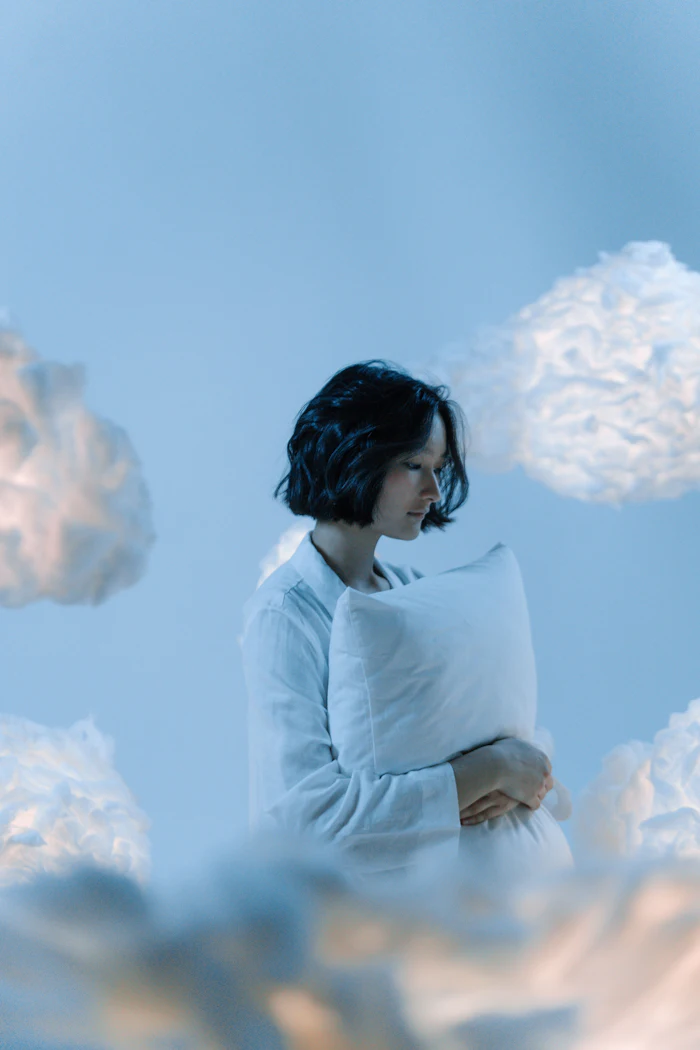
 The strongest wellness fragrances may be those tied to repeatable behaviors: turning on a diffuser before bed, starting meditation, preparing for work or creating a relaxation moment.Mizuno K at Pexels
1. Beyond Preference: Design for Ritual
The strongest wellness fragrances may be those tied to repeatable behaviors: turning on a diffuser before bed, starting meditation, preparing for work or creating a relaxation moment.
2. Think Beyond the Fragrance Bottle
Ambient fragrance is increasingly merging with technology, sound, lighting and smart-home platforms. Developers should consider how scent interacts with other sensory inputs to create immersive experiences.
3. Build Credibility Around Claims
As functional fragrance grows, consumers and regulators will demand greater transparency around claims. Robust testing methodologies, consumer studies and neuroscience research will become important tools for differentiation.
4. Create Emotional Complexity
Relaxation does not always mean soft and floral. Some consumers may seek grounding woods, fresh air, mineral notes or even nostalgic gourmand profiles. The next generation of sleep fragrances will likely be highly personalized.
5. Explore Delivery Innovation
Long-lasting, controllable and customizable scent delivery will become increasingly important as consumers integrate fragrance into daily wellness routines. Smart diffusers and new formats offer opportunities to tailor experiences based on time of day and consumer needs.
The Future: The Home as a Sensory Wellness Platform
The rise of sleep and stress-focused fragrance signals that consumers are increasingly viewing their homes as extensions of their mental and emotional health routines.
For the fragrance industry, this creates a new category opportunity at the intersection of perfumery, wellness and technology.
The winning brands will answer an ambitious question: “How should this space help people feel?”
FOOTNOTE