From London to the sun-drenched streets of Grasse, 2026’s leading raw material exhibitions offered a preview of where flavor and fragrance creation is heading next. Together, the events brought suppliers, flavorists, perfumers and product developers face-to-face with the ingredients shaping tomorrow’s formulations—from novel natural extracts and refined woody materials to precision-crafted aroma chemicals and specialty fractions.
This article is only available to registered users.
Log In to View the Full Article
From London to the sun-drenched streets of Grasse, 2026’s leading raw material exhibitions offered a preview of where flavor and fragrance creation is heading next. Together, the events brought suppliers, flavorists, perfumers and product developers face-to-face with the ingredients shaping tomorrow’s formulations—from novel natural extracts and refined woody materials to precision-crafted aroma chemicals and specialty fractions.
At FlavourTalk, more than 50 exhibitors showcased the latest flavor building blocks and innovation platforms designed to support emerging consumer trends and inspire the next generation of food and beverage creations. Two months later, SIMPPAR transformed the heart of Grasse into an open-air celebration of perfumery ingredients, welcoming fragrance professionals from around the world to explore new naturals, captives and technological advances against the backdrop of the industry’s historic capital.
The following collection highlights some of the most notable woody flavor and fragrance ingredients presented at these events, revealing how suppliers are balancing authenticity, sustainability, technical performance and sensory creativity in an increasingly competitive marketplace. -Editor
NOTE: Ingredient availability and regulatory status may vary by region. Not all materials featured in this roundup are commercially available in every market. Readers should consult respective suppliers to confirm regional availability, approved uses and any applicable regulatory restrictions before formulation or commercialization.
Woody ingredients are evolving; from the forest-fresh tranquility of Japanese hinoki and precision-refined cedarwood fractions to oak-derived materials that recreate the depth of years of barrel aging, suppliers are finding new ways to deliver authenticity, sophistication and sensory richness. This roundup highlights the latest woody flavor and fragrance materials, showcasing how nature-inspired notes are being refined, concentrated and reimagined for modern formulations.
Hinoki Oil: Japan's Sacred Cypress Brings Forest Freshness to Fragrance
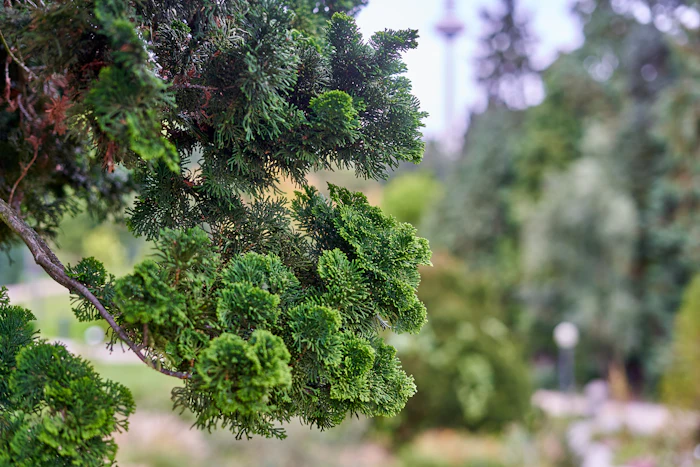
Derived from the wood of Japanese cypress (Chamaecyparis obtusa), hinoki oil—manufactured by Tsuji Oil Mills Co., Ltd. and distributed internationally by Seikodo Ishida Co., Ltd.—is a distinctive natural ingredient that combines a fresh coniferous character with warm woody depth and strong sustainability credentials. Steam-distilled from trees grown in Japan's renowned Mie Prefecture, the oil is sourced from forests with a centuries-long cultivation tradition and increasing adoption of FSC-certified forestry practices.
 Derived from the wood of Japanese cypress (Chamaecyparis obtusa), hinoki oil—manufactured by Tsuji Oil Mills Co., Ltd. and distributed internationally by Seikodo Ishida Co., Ltd.—is a distinctive natural ingredient that combines a fresh coniferous character with warm woody depth and strong sustainability credentials.Andrius at Adobe Stock
The composition is dominated by α-pinene (37%) and supported by significant levels of δ-cadinene (16%), α-cadinol (11%), cyclo-γ-cadinene (8%), muurolol (6%) and γ-cadinene (6%), creating a profile that balances bright pine-like freshness with dry woody, balsamic and subtly earthy undertones. Smaller amounts of limonene, terpineol, nerolidol and terpinyl acetate add complexity and softness.
Beyond its olfactive appeal, hinoki oil is valued in Japan for its perceived antibacterial, deodorizing, insect-repellent and relaxing properties, making it a popular ingredient in home fragrance, wellness, personal care and functional scent applications.
The ingredient also reflects a broader effort to increase the value of Japanese forestry resources by utilizing wood not only as a construction material but also as a high-value fragrance raw material. As demand grows for authentic nature-inspired scents, hinoki offers perfumers a uniquely Japanese woody note that evokes the atmosphere of traditional temples, forest bathing experiences and freshly cut cypress wood.
Oakwood Extract: Barrel-Aged Depth Without the Wait
Derived from Quercus alba, Destilla’s low-alcohol oakwood extract delivers the rich complexity associated with barrel aging, combining dried wood notes with smooth vanilla, raisin-like sweetness and subtle savory-soy undertones.
 Derived from Quercus alba, Destilla’s low-alcohol oakwood extract delivers the rich complexity associated with barrel aging, combining dried wood notes with smooth vanilla, raisin-like sweetness and subtle savory-soy undertones. Evgeny Karandaev at Adobe Stock
Driven by naturally occurring tannins and aromatic compounds such as 2,6-dimethoxyphenol, the extract adds warmth, depth and maturation character to flavor systems.
Ideal for beverages and savory applications, it provides an efficient way to introduce premium aged, woody nuances and layered complexity without extended processing or aging times.
Refined Woods: Elevated Cedarwood Materials
Berjé offers a refined approach to classic North American cedarwood through its cedarwood oil deluxe USA, a steam-distilled and fractionated oil produced in partnership with Texarome. Derived from Juniperus virginiana, the material is engineered to shift cedarwood away from its sharper, smoky facets toward a smoother, more polished olfactive profile.
 Berjé offers a refined approach to classic North American cedarwood through its cedarwood oil deluxe USA, derived from Juniperus virginiana. (Species depicted for illustration only.)Gerry at Adobe Stock
Through targeted distillation, key sesquiterpene fractions are enhanced, softening rough edges while amplifying a velvety, heart-of-wood character. The result is a more rounded interpretation of cedarwood—earthy, balsamic and cleanly structured—positioned for use across masculine fragrances, woody accords and base note construction where diffusion and smoothness are critical.
Alongside the deluxe oil, Texarome also produces cedrenol pure (ex: Juniperus virginiana), a related cedar fraction offering a mellow, rounded scent profile in contrast to cedrene-dominant materials. Cedrenol is valued in perfumery as a natural fixative, strengthening base notes while adding subtle woody continuity without the smokier, more aggressive facets often associated with traditional cedarwood oils.
In addition, Berjé 's Cedar Cremosa (Juniperus virginiana) is produced via continuous distillation for a smooth, diffusive woody character with creamy nuances, softness, depth and balance. The material is recommended for woody accords requiring warmth, creaminess and a smooth cedarwood profile.
Barrel-Aged Character with Oakwood Chips Resinoid
Payan Bertrand’s oakwood chips resinoid is a powerful ingredient designed to bring authentic barrel-aged depth to a wide range of flavor applications. Characterized by woody, dry and intensely aromatic notes, the resinoid captures the rich sensory qualities associated with oak maturation.
 Payan Bertrand’s oakwood chips resinoid is particularly well suited for alcoholic beverage profiles such as whisky and rum, while also enhancing barbecue sauces, brown sauces, dark chocolate and caramel applications. RasaBasa at Adobe Stock
The ingredient is particularly well suited for alcoholic beverage profiles such as whisky and rum, while also enhancing barbecue sauces, brown sauces, dark chocolate and caramel applications. Additionally, it offers formulators an effective way to impart sophisticated alcoholic-style nuances and aged complexity in products that require the perception of spirits without the presence of alcohol.