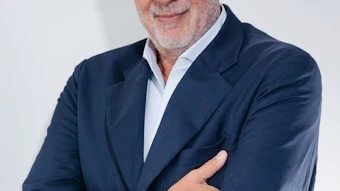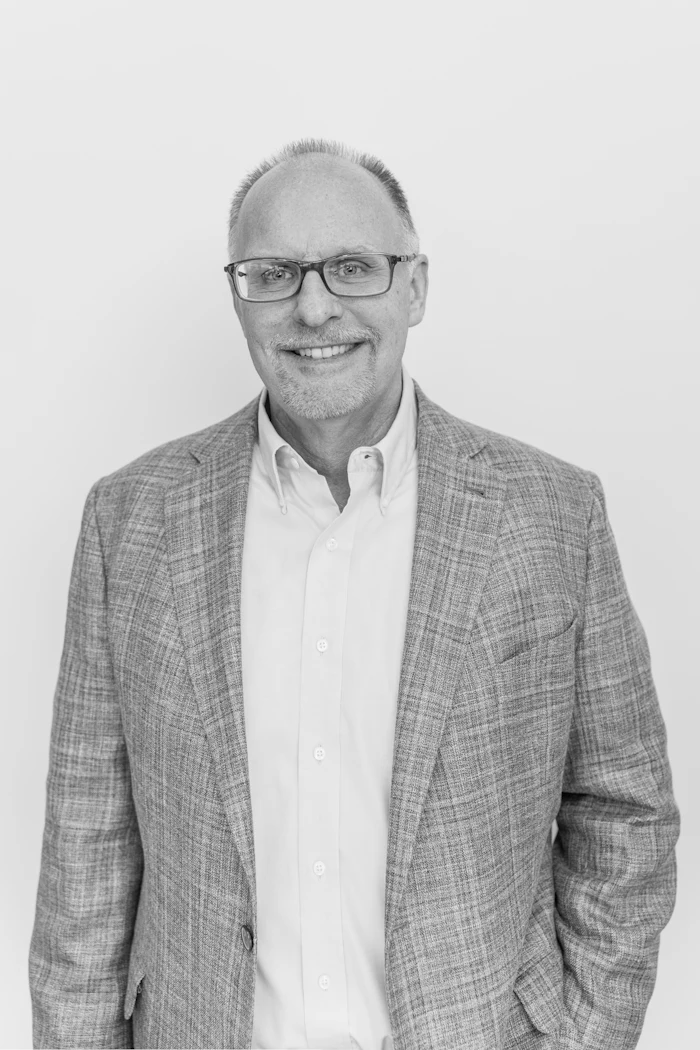
In this Q&A, Thomas Siedel, senior perfumer at Agilex Fragrances, reflects on an unexpected entry into the fragrance industry, the intensity of his early training years, and how creative exploration and technical discipline continue to shape his approach to perfumery. From long days in the lab to breakthrough moments of creative evolution, he shares how the balance between artistry and science defines his work—and why “unexpected outcomes” often lead to his best fragrances.
What led you to the fragrance industry?
Siedel: I stumbled by accident onto the existence of the fragrance industry. I just started college when my father suggested I talk to a man he had just met about a summer job. It turns out this man was a perfumer and needed someone to help in his fragrance company for the summer. Long story short … it was my father’s fault.
Can you share a defining moment or breakthrough in your career as a perfumer?
Siedel: I think the first breakthrough for me would be when I left the small company, I was trained at, to practice my art of perfumery at Quest International
It was my first exposure to how a big company functions and the different expectations that come with a bigger fragrance house.
What were some of the biggest challenges you faced when entering the perfume industry, and how did you overcome them?
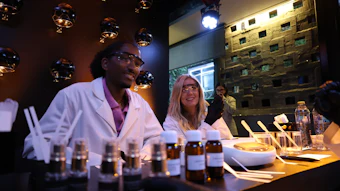
Siedel: The biggest challenge in the beginning was the long workdays. I would start at 7 a.m. and many times still be there until after 11 p.m. My days consisted of not only training to become a perfumer but at the same time working in the lab, shipping, production and even sometimes in sales.
The passion and determination to be in a field where I can use my creativity and become a perfumer is what really kept me going. Thinking back on that now brings a smile to my face but I can also see where my understanding and appreciation for all aspects of the business comes from.
The balance between science and artistry in perfumery is an area I like to think my brain thrives in.
Can you describe a time when a fragrance formulation didn’t turn out as expected? How did you address the issue?
Siedel: With the years of experience I have now, most formulas turn out as I expect but I think more times than you think a fragrance formulation doesn’t turn out exactly as expected. I don’t see this as an issue but rather an opportunity. Some of my most successful creations started out as one idea but evolved into a totally different direction and an even better fragrance.
The not always knowing where a fragrance formula will evolve into continues to make the art of perfumery interesting.
How do you find the right balance between artistic expression and the technical limitations of perfume formulation?
Siedel: Are there specific skills or knowledge areas you believe are crucial for a perfumer to master?
The balance between science and artistry in perfumery is an area I like to think my brain thrives in. My degree in pharmacy helps keep my right side of the brain from running amuck and my right side of the brain pushes the scientific parts to think outside the box. While the right/left side dominance of the brain may be a myth, in perfumery there is a struggle between the two and I like to push the boundaries of both.
There are many skills you need to master before becoming a full perfumer. The basic knowledge of knowing the purpose, synergies and odor of all the ingredients you add to your creation is crucial to not only understanding the artistry side of perfumery but also understand the “technical” side of creations.