A new Nature study introduces an AI-driven platform that moves beyond flavor prediction into quantifying and optimizing human liking, mapping how molecular structure and ingredient interactions translate into sensory perception and preference.
The system integrates chemical composition data with multimodal sensory signals to model taste perception across key dimensions including sweetness, saltiness, bitterness, umami and fat perception. Critically, it adds a consumer-relevant layer: predicted liking scores, enabling researchers to estimate not just what a product tastes like, but how much it is likely to be preferred.
By combining machine learning with sensory datasets, the platform captures non-linear relationships between compounds and demonstrates that liking is driven by interaction effects, not single dominant ingredients. This allows the model to identify optimized formulations that maximize hedonic response while preserving specific flavor signatures.
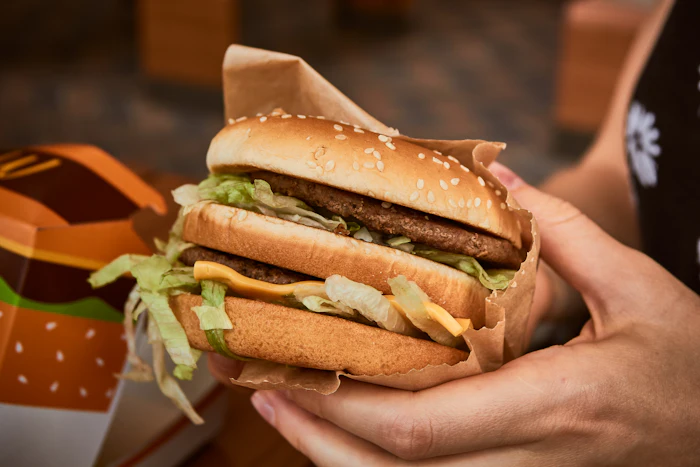
The study also shows the system can reconstruct complex, multi-ingredient taste profiles, including fast-food–style signatures such as a Big Mac–like flavor profile, where layered signals of salt, fat, acid, sweetness and umami are computationally approximated and tuned toward higher predicted consumer acceptance.
Importantly, the work demonstrates that AI can now operate at two levels simultaneously: decoding the sensory architecture of flavor and optimizing it toward higher predicted consumer “liking,” a shift that could theoretically significantly reduce formulation cycles and improve early-stage product success rates.
Overall, the authors argue, the research marks a transition from descriptive flavor science to preference-driven digital formulation, where AI tools are increasingly capable of designing taste experiences that are both chemically plausible and consumer-optimized before physical prototyping begins.
!['[R]etaining this next generation will depend on continuing to position flavor science as a field where individuals can combine scientific excellence with creativity and real-world impact, shaping how consumers experience food in ways that improve both health and sustainability,' says John Savage, IOFI president and president and CEO of Taste at Kerry.](https://img.perfumerflavorist.com/mindful/allured/workspaces/default/uploads/2026/07/john-savage.Cws5vQDBLp.jpg?auto=format%2Ccompress&fit=crop&h=191&q=70&w=340)