The growing desire for holistic, healthy lifestyles is a primary driver prompting consumers across generations to choose low or no alcohol beverage options. Societal norms have shifted, allowing a reframing that doesn’t pit abstinence against indulgence, but supports flexible consumption. Consumers are most likely to factor in whether they need to drive, the occasion, who they’re with, where they are and the time of day when deciding whether—and what—to drink. Celebrations like weddings or parties, casual gatherings with friends and romantic dinners are events most commonly associated with alcohola. However, 41% of Gen Z and 40% of millennial non-drinkers say they feel comfortable in social situations without alcohol while others are drinking; this sentiment is also shared by 48% of Gen X and 66% of baby boomer abstainers.
The nuance in consumer choices and preferences is considerable, particularly when comparing adults who might have had more experience with alcohol and younger adults who may be starting out at low or no alcohol consumption. Each group will have different taste, experience and value expectations from the beverages they select. Notably, millennial (75%) and Gen Z abstainers (73%) are significantly more aware of no-ABV adult beverages than baby boomer (64%) and Gen X (63%) abstainers, and Gen Z are more likely than any other generation to have tried them. One in three Gen Z abstainers are generally satisfied with the taste and quality of most non-alcoholic (NA) beverages, while 25% wish the options they can find tasted better or came in more interesting flavors.
Category Evolution from Compromise to Distinction
The non-alcoholic beverage category has come a long way, with pronounced improvements in taste, mouthfeel and flavor sophistication in current offerings. NA beer continues to dominate the space, with 66% of 2025 total value retail selling price (RSP), followed by non-alcoholic spirits at 29%, ready-to-drink (RTD) non-alcoholic cocktails at 3% and non-alcoholic wine at 2%b. Non-alcoholic spirits show significant potential, with 45% annual value growth in 2025 versus 2024. NA RTD cocktails with are another growing segment, with a 34% increase in total value year-over-year.
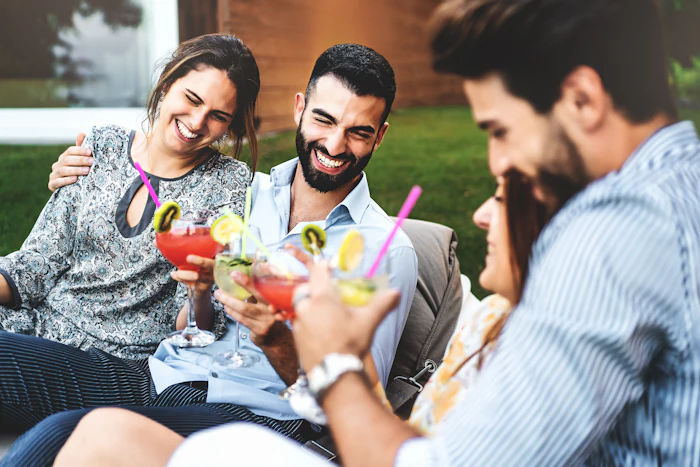
 Gen Z abstainers are especially drawn to no-ABV mixed drinks and mocktails.Lustre Art Group at Adobe Stock
Some of the persistent challenges in low and no alcohol product development include replicating an authentic alcohol “burn” or warming sensation and a full-bodied mouthfeel. Yet true success lies in the holistic beverage experience, creating the desirable taste, aroma, texture and finish—not one-note mimicry.
With the noted success of bar-crafted mocktails, and continual advancement in the sensory experience of non-alcoholic spirits at scale, it’s possible that in-home mixology will eventually trend up. This is evident as baby boomer (43%) and Gen X (42%) drinkers increasingly prefer the casual, comfortable nature of entertaining at home. That being said, more than one-third of millennial drinkers buy alcohol weekly to enjoy at home, and Gen Z drinkers are making more intentional purchases, increasingly buying alcohol specifically for entertaining at home. Low or no alcohol options can support a welcoming environment for all while also providing an opportunity for zebra striping behavior, where one alternates between alcoholic and non-alcoholic beverages.
When relaxing or socializing at home, mixed drinks are among the top three beverages consumers are most likely to choose: first for Gen Z, second for millennials and Gen X, and third for baby boomers. Interestingly, Gen Z also ranks cocktails in their top three options, while the other generations favor beer or hard cider and wine. Likewise, Gen Z abstainers are especially drawn to no-ABV mixed drinks and mocktails.
Consumer Expectations Have Shifted Beyond Sobriety
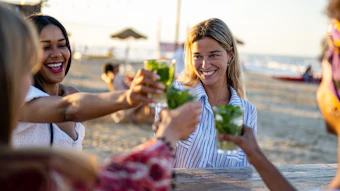
Nearly half (46%) of Gen Z abstainers have tried no-ABV adult beverages at least once, the highest of any generation. Given this level of awareness, it’s understandable that many Gen Z non-drinkers expect a variety of interesting non-alcoholic options across both retail and foodservice venues.
 Nearly half (46%) of Gen Z abstainers have tried no-ABV adult beverages at least once, the highest of any generation. Given this level of awareness, it’s understandable that many Gen Z non-drinkers expect a variety of interesting non-alcoholic options across both retail and foodservice venues.Matt Benzero at Adobe Stock
Millennials are another key market for low and no alcohol beverages, as 38% have already tried no-ABV offerings. Non-drinking millennials typically trust grocery and liquor stores will carry a compelling selection of non-alcoholic beverages.
In fact, the beverage segment is saturated with options for consumers who are abstaining from alcohol. Beyond direct alcohol alternatives like no-ABV beer or hard cider, wine, spirits and RTD mocktails, there is a vast array of carbonated soft drinks (CSDs), flavored waters, energy drinks, juices and functional beverages claiming to offer support for mood, digestion and more. Outside of traditional non-alcoholic beverages, “calming” drinks are enjoyed at bars and pubs by 31% of Gen Z and 23% of millennial abstainers.
It is well-known that consumers are quick to abandon products that don’t deliver on the sensory experience, especially items at a higher price point. Thus, it’s imperative that product developers work to narrow any gaps in value or sensory experience of low and no alcohol beverage offerings. They’re not only competing with alcohol, but all other types of beverages.
Flavor and Ingredient Selection for Different Palates—and Occasions
The more well-rounded and robust the low or no alcohol drinking experience becomes, the better a product will succeed at meeting the consumer’s specific need state. Flavor is so important for delivering against this occasion—it’s the primary reason to believe. And what takes off in the bar/mocktail space might soon perform well in the RTD segment. Specifically, unique ingredient selection and sophisticated flavor layering create intrigue and add premiumization to the low and no alcohol category involve. Flavorists and beverage developers should watch the following to leverage in their R&D.
 For the non-alcoholic space, more unique citrus varieties like bitter orange, yuzu and calamansi deliver an element of the unexpected. pavel siamionov at Adobe Stock
Citrus Renaissance
Bright citrus profiles always play well in beverages. For the non-alcoholic space, more unique citrus varieties like bitter orange, yuzu and calamansi deliver an element of the unexpected. Strawberry with citrus is another way to add complexity and interest to RTD mocktails or mixed drinks.
Bitter, Botanical, Herbal
Bitterness is one of the five core tastes that adds balance and depth to the sensory experience. Its rising popularity in beverages is notable with the prevalence of herbal and botanical notes, such as hops, sorghum, juniper, eucalyptus, elderflower and rosemary.
 Matcha is particularly appealing, from its umami notes and vibrant green color to its functional support for sustained energy.VikaNorm at Adobe Stock
Savory & Vegetal
Garden flavors with a hint of sweetness are having a moment, although they’re currently more accessible at bars than in retail. Bell peppers, carrots, beets, celery and tomato play well in mocktails made with no-ABV spirits like tequila, mezcal and gin, where savory, earthy elements are balanced by heat, sweetness, smokiness or citrus notes.
Tea, Coffee, Matcha
Café culture is crossing over into other beverage segments, with complex coffee and tea flavors leading the way. Matcha is particularly appealing, from its umami notes and vibrant green color to its functional support for sustained energy.
Fruity, Nostalgic, Dessert-Inspired
These decadent beverages often feature creamy textures and rich flavors like the coffee-infused dirty banana, charred pineapple upside-down cake, tart lemon drop, minty grasshopper and chocolatey peanut butter cup.
 Decadent beverages often feature creamy textures and rich flavors like the coffee-infused dirty banana, charred pineapple upside-down cake, tart lemon drop (pictured), minty grasshopper and chocolatey peanut butter cup.wollertz at Adobe Stock
Fermented & Functional
The blending of flavor and perceived wellness benefits has launched fermented and functional beverages to the forefront of consumer interests. Shrub elixirs use a base syrup of fruit, sugar and vinegar topped with sparkling water for a refreshing taste experience. Additionally, mushroom-based NA spirits and RTD mocktails claim to boost energy, enhance cognitive focus or support relaxation.
Next Up: Global-Inspired Flavors
A new wave of flavor expression will lift regional heroes to the global stage, including kiwi, tamarind and hojicha, a Japanese tea of mature, roasted leaves with a smoky, nutty flavor and low caffeine content. Next-generation citrus profiles will bring ingredient and flavor innovation opportunities to low- and no-alcohol beverage R&D. This includes sudachi, which has green herbal notes and a more savory profile than yuzu; finger lime, a bright and floral Australian citrus; and pomelo, which delivers grapefruit flavor with a less bitter profile.
Accelerating Growth Through Holistic Sensory Satisfaction
The low and no alcohol segment presents an exciting opportunity to define a new sensory standard in beverages. The goal is not to copy alcohol, it’s to capture consumer engagement before they opt out of the category altogether. Because the choices go beyond alcohol or non-alcoholic beverages; consumers can always have water, CSDs, energy drinks, sports drinks, “calming” beverages, etc.
And while some consumers might be seeking a no-ABV experience with alcohol-like replication, there are others who are open to an entirely new sensory experience. Innovation must extend beyond well-established non-alcoholic beer into the growing wine, spirits and RTD formats. The future belongs to brands that can demonstrate value to consumers that complex flavor is the experience, not an afterthought.
FOOTNOTES
aDatassential, Sip 2026: Generational Drinking Habits
bEuromonitor, Alcoholic Drinks Market Share, 2026; https://www.euromonitor.com/world-market-for-alcoholic-drinks/report