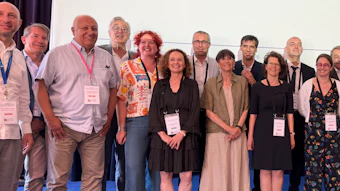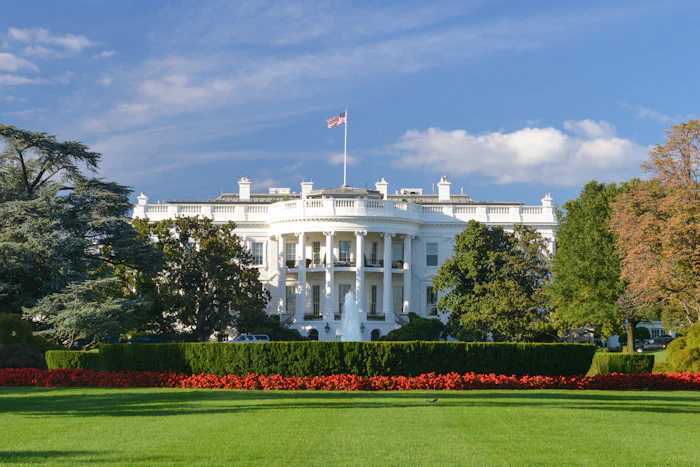
The Fragrance Creators Association (FCA) last week hosted what it says was the first fragrance salon ever held at the White House, marking a milestone in the industry's efforts to elevate its profile among U.S. policymakers and position fragrance as a driver of innovation, economic growth and sustainability.
The salon served as the centerpiece of a two-day bipartisan Washington fly-in that brought fragrance industry leaders face-to-face with senior administration officials, members of Congress and regulatory stakeholders. More than 200 guests attended the White House event, while FCA's Capitol Hill activation, themed "The Scent of Innovation," attracted more than 350 lawmakers, staffers and industry representatives.
At the heart of the industry's message was the economic significance of fragrance. FCA cited more than $80 billion in annual U.S. consumer spending on fragrance-dependent products, roughly $30 billion in domestic economic impact, and support for more than 200,000 jobs. The organization also highlighted fragrance's influence on consumer purchasing behavior, noting that scent accounts for a small portion of product cost but plays a major role in repeat purchases across consumer packaged goods categories.
Beyond economics, FCA used the event to advocate for science-based regulatory frameworks that can accelerate the commercialization of new fragrance technologies. The association argued that ongoing discussions around implementation of the Toxic Substances Control Act (TSCA) present an opportunity for closer collaboration between industry and regulators, particularly in advancing greener chemistries, AI-enabled formulation tools, and technologies aimed at improving environmental outcomes.
FCA President and CEO Farah Ahmed said the industry is seeking modernized pathways that would allow innovative ingredients and technologies to reach the market more quickly while maintaining safety standards. Industry leaders also emphasized fragrance's role in emerging areas such as malodor control, product efficacy and consumer well-being.
The fly-in follows several recent FCA policy wins, including tariff exclusions covering most fragrance-related import classifications under a 2026 Section 232 proclamation. According to the association, those efforts have helped protect an estimated $2 billion in fragrance trade.