On Friday, February 27, the American The American Society for Laser Medicine and Surgery, Inc. released a study stating that gentle, painless laser treatment can reduce the amount of bacteria in burn wounds.
Burn wound infection remains one of the most challenging complications in outpatient burn care, driving delayed healing, repeated hospital visits, and increased healthcare costs.
Related: New treatment for chronic wounds using Ultrapulsed CO2 lasers
Published in the Lasers in Surgery and Medicine Journal (LMS), the official journal of the American Society for Laser Medicine and Surgery, Inc. (ASLMS), this prospective clinical study demonstrates that a single, brief photobiomodulation session reduced bacterial load by 64%, with 91% of wounds showing stable or improved microbial profiles; all delivered seamlessly within routine dressing appointments.
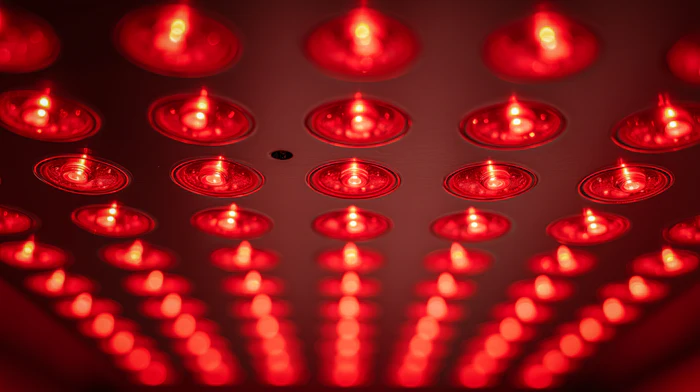
Previously referred to as low-level laser therapy (LLLT), photobiomodulation is a non-invasive, non-thermal modality that harnesses red or near-infrared light from lasers or LEDs to activate cellular function and promote healing.
“Burn wounds are prone to infection, delayed healing, and scarring,” said Aude Perusseau-Lambert, MD, MSc, PGCert MedEd, MRCS(Ed), who led the study. “Our study shows that photobiomodulation can safely reduce the bacterial load while stimulating and enhancing the body’s own repair mechanisms: offering a powerful, non-antibiotic advance in burn care.”
The intervention also does not require additional clinic time, changes to established protocols, or added burden to patients or staff. By combining antimicrobial effects with stimulation of tissue repair pathways, photobiomodulation introduces a practical, non-antibiotic strategy in an era of rising antimicrobial resistance.
This study represents a significant step forward in translating light-based therapy into real-world burn care, providing a foundation for larger controlled studies to assess its impact on healing speed, infection rates, scarring, and cost-effectiveness.