*Commentary courtesy of Scentium, which is part of Iberchem and a Croda brand
This article is only available to registered users.
Log In to View the Full Article
*Commentary courtesy of Scentium, which is part of Iberchem and a Croda brand
- Sales 2025: € 380M
- Headquarters: Murcia, Spain
From Swicy Snacks to AI-Driven R&D: How Scentium Is Scaling Flavor Innovation
Q&A with Manuel García, Global Sales Director/Deputy General Manager Scentium
Q: Can you give a brief overview of some key highlights of milestones the company reached over the last 12 months?
 "While the flavor industry is traditionally a 'sticky' business, where long-term relationships and the complexity of switching suppliers play an important role, companies cannot rely on this alone," says Manuel García, global sales director/deputy general manager Scentium. "If you are unable to consistently deliver the solutions your customers need, competitive pressure will quickly increase. Deep industry expertise and highly customer-focused R&D will therefore remain essential to sustaining competitiveness."Scentium
Several initiatives developed in previous years reached full commercial momentum in 2025, generating significant and recurring business. Notable examples include our strong growth in citrus flavors and emulsions for soft drinks in Africa, natural flavors for pasta fillings in Italy, and berry profiles for extruded candy and licorice across multiple regions.
Another major milestone was the expansion of our production facilities in Alhama de Murcia, our HQ, adding new manufacturing capacity for both powder and liquid flavor formats. In parallel, we increased our emulsion production capabilities in Nanchang, China. We also strengthened our global innovation infrastructure by establishing dedicated pilot plants in Spain for beverage, dairy, confectionery, bakery and savory applications, opening new offices and laboratories in Colombia, and expanding our laboratory space in Dubai.
Q: What emerging flavor trends are you seeing in your key markets, and how quickly can your company adapt to these changes?
García: Across our key markets, we are seeing strong momentum around tropical and nostalgic flavors with a modern twist, Asian-inspired profiles, and bold chili-based combinations.
In beverages, we expect a decisive adoption of trends such as prebiotic sodas and flavor-driven line extensions combining cream, fruit and herbal notes. Tropical profiles including pineapple, guava and passion fruit continue to gain traction, while Asian inspirations such as yuzu, ginger and ube are attracting increasing interest from both brands and consumers.
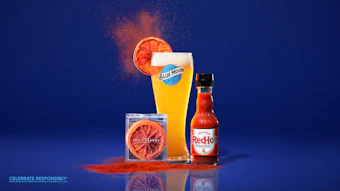
In confectionery, indulgent profiles like pistachio, matcha, vanilla cream and bakery-inspired notes remain on the rise. Meanwhile, in savory snacks, “swicy” (sweet + spicy) flavor combinations continue to resonate strongly with consumers, and pickle has emerged as one of the fastest-growing profiles.
At Scentium, we are able to respond quickly to these evolving trends thanks to our agile monitoring of market data and consumer insights through our global network of partners and associates. This is complemented by a flexible, decentralized product development model that allows our regional teams to translate emerging trends into relevant flavor solutions with speed and precision.
Q: What key consumer trends do you believe will shape the future of flavor preferences and development?
García: In mature markets, consumers are increasingly informed about nutrition, fitness and mental well-being, and they expect food and beverages to support their everyday health. As a result, there is growing demand for products that deliver added value through functional benefits such as energy support, relaxation, immunity, protein or gut health. Future flavor development will therefore need to work seamlessly with specialty ingredients designed to deliver these benefits.
At the same time, the “less is more” mindset continues to gain ground. Consumers are seeking products with less sugar, fewer calories, less alcohol and reduced sodium. This shift is driving demand for flavors that feel clean and authentic, including fresh, true-to-fruit profiles as well as nostalgic yet playful and experiential flavor concepts.
In emerging markets, our focus is on supporting customers in developing affordable, nutritious products with flavors tailored to local taste preferences. Success in these regions also requires careful consideration of regulatory frameworks and cultural or religious requirements, which are often key factors in the successful launch of new products.
Q: Looking ahead 3-5 years, what strategic initiatives will be critical for maintaining competitive advantage in the flavor industry?
García: Protecting and strengthening existing business will remain a primary strategic priority. While the flavor industry is traditionally a “sticky” business, where long-term relationships and the complexity of switching suppliers play an important role, companies cannot rely on this alone. If you are unable to consistently deliver the solutions your customers need, competitive pressure will quickly increase. Deep industry expertise and highly customer-focused R&D will therefore remain essential to sustaining competitiveness.
There is also still significant R&D work ahead for our industry. A good example is the plant-based category. Despite the substantial investments made across the sector, sales volumes for plant-based meat and fish alternatives have recently stagnated in several markets, which suggests that taste and aroma still do not always match the expectations consumers have of the traditional products they aim to replace.
Looking ahead, artificial intelligence also has the potential to become a powerful tool for the flavor industry. It can support analytical processes and product design, helping to reduce development timelines and accelerate time to market. However, because the “language” of flavor is highly specialized and largely based on proprietary data, the real competitive advantage will depend on the quality of internal datasets and on systematic product evaluation methods.