Dutjahn Sandalwood Oils has reportedly become the first supplier to achieve Union for Ethical BioTrade (UEBT) Verified Responsibly Sourced status for both Santalum album and Australian sandalwood, Santalum spicatum, giving fragrance and flavor manufacturers access to two commercially important sandalwood oils from a single independently verified supply chain.
“Perfumers kept asking us the same thing about album: can you prove where it came from?” said Dutjahn CEO Guy Vincent, a perfumer who spent 10 years creating fragrance at Aveda. “For spicatum we could. Now we can for both. If your brand name goes on the bottle, that question should never land on your desk.”
The milestone covers all of Dutjahn's S. album supply. The company's UEBT-grade S. spicatum was said to be the first Australian sandalwood oil to receive UEBT verification, in 2022. The company also confirmed that it now holds matured stocks of verified S. album oil available for immediate supply.
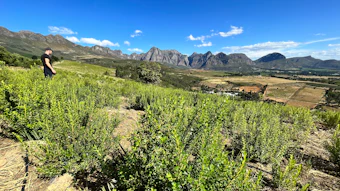
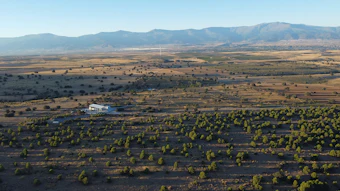
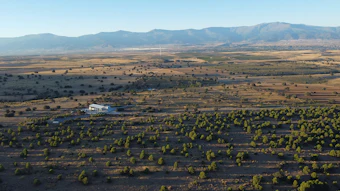
 The milestone covers all of Dutjahn's S. album supply. The company's UEBT-grade S. spicatum (pictured) was said to be the first Australian sandalwood oil to receive UEBT verification, in 2022. The company also confirmed that it now holds matured stocks of verified S. album oil available for immediate supply.Dutjahn Sandalwood
The development comes amid increased scrutiny of sandalwood sourcing and supply security. Wild S. album, a prized perfumery material, was listed as vulnerable in 1998 following decades of overharvesting and illegal trade. For buyers, establishing traceability and confidence in the origins of the material has remained a longstanding supply-chain challenge.
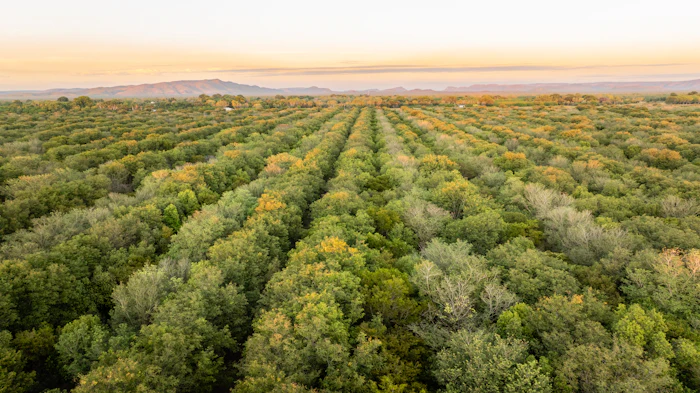
Dutjahn's newly verified S. album comes from a privately owned plantation in Kununurra, in northern Western Australia. The company says the supply chain extends directly from plantation to distillery, without intermediary traders.
The verification reflects a long-term cultivation and sourcing model. Sandalwood trees are harvested at approximately 15 to 17 years of age, meaning the oil now entering the verified supply chain comes from trees planted around 2010. Because sandalwood is a semi-parasitic tree, each is cultivated alongside host trees from which it draws nutrients through its root system. Planting at the Kununurra site is ongoing.
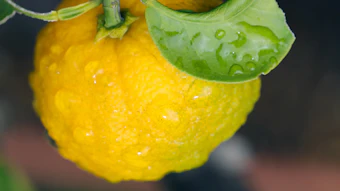
 S. album is characterized by a soft, woody and creamy profile.Dutjahn Sandalwood
After harvesting, the wood travels more than 3,000 kilometers south, via Perth, to Dutjahn's distillery in Kalgoorlie. The company purchases the wood directly, steam-distills it without solvents and conducts batch testing in its own laboratory.
UEBT's independent auditors assessed the S. album supply chain against 100 environmental and social indicators. These included biodiversity considerations at the plantation level, as well as fair remuneration and human rights.
The verification adds another dimension to Dutjahn's existing sourcing credentials. Its S. spicatum supply includes wild-harvested material collected by Aboriginal groups on native title land, with every wild tree GPS-mapped.
For perfumers, the dual verification provides access to two distinct olfactive profiles through one supplier and sourcing framework.
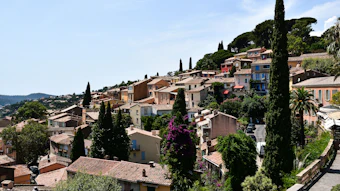
 With the addition of S. album (pictured) to its UEBT-verified portfolio, Dutjahn is positioning its two sandalwood oils as options for manufacturers seeking greater supply-chain transparency, responsible sourcing credentials and access to differentiated sandalwood profiles.Dutjahn Sandalwood
S. album is characterized by a soft, woody and creamy profile, while S. spicatum offers greener, fresher and drier facets. In formulation, the latter can contribute a milky lift, while S. album provides a creamier character.
The development has implications for flavor applications. Dutjahn's S. album oil is listed under FEMA GRAS# 3005, allowing the material to be considered for flavor applications in addition to fine fragrance and beauty formulations.
Dutjahn is making samples, specifications and UEBT documentation for both oils available to the industry.
Established in 2017, Dutjahn Sandalwood Oils is 50% Aboriginal-owned. The company was formed through a partnership between Dutjahn Custodians, a 100% Aboriginal-owned company, and the founders of Silvalis, described as the world's largest manager of S. spicatum plantations.
Its ownership structure includes Aboriginal representation on the board and profit sharing. Operating from Kalgoorlie, the company supplies both S. spicatum and S. album oils to fine fragrance and prestige beauty customers.
Dutjahn was the first Australian company to receive the UN Equator Prize, in 2019, and holds an EcoVadis Platinum rating, placing it in the top 1% of companies assessed.
With the addition of S. album to its UEBT-verified portfolio, Dutjahn is positioning its two sandalwood oils as options for manufacturers seeking greater supply-chain transparency, responsible sourcing credentials and access to differentiated sandalwood profiles.