Create a free Perfumer & Flavorist account to continue reading
The Ultimate Nail Stamping Guide for Nail Techs
Apr 16th, 2025
Carrie Timmons
Carrie Timmons shares tips and tricks for mastering nail stamping.
Courtesy of T.DEN_TEAM via Adobe Stock
Nail stamping is a versatile and creative technique that can elevate your nail art game. It involves transferring pre-designed images from a stamping plate onto the nail using a stamping tool. This method allows precise and detailed designs that are otherwise challenging to achieve with freehand painting. Whether you’re a seasoned nail artist or looking to expand your skills, mastering nail stamping can add a new dimension to your services.
Steps for Nail Stamping
1. Prepare Your Tools and Materials
Nail stamping plates with engraved designs
Stamping polish (highly pigmented)
Stamper (silicone or jelly)
Scraper (plastic card or metal)
Base coat, nail polish and top coat
Acetone or nail polish remover or isopropyl alcohol
Lint roller or tape (for cleaning the stamper)
Cotton pads and a cleanup brush
2. Prep the Nails
Start with a clean, dry nail surface.
Apply a base coat to protect the natural nail and promote adhesion.
Paint the nails with your chosen base color, and let it dry completely.
3. Select Your DesignWhether you’re a seasoned nail artist or looking to expand your skills, mastering nail stamping can add a new dimension to your services.Courtesy of irissca via Adobe Stock
Choose a design from the stamping plate.
Ensure the stamping plate is clean and free of any residue.
4. Apply Stamping Polish
Apply a generous amount of stamping polish to the selected design on the plate.
Use the scraper at a 45-degree angle to spread the polish across the design, removing any excess polish.
5. Pick Up the Design
Quickly roll the stamper over the design to pick up the image.
Ensure the design is transferred completely and clearly onto the stamper.
6. Transfer the Design
Align the stamper with the nail, and gently roll it over the nail surface to transfer the design.
Press firmly but gently to ensure the design adheres to the nail.
7. Clean Up
Use a cleanup brush dipped in acetone or nail polish remover to clean any excess polish around the nail.
Clean the stamping plate, scraper and stamper with acetone or nail polish remover after each use.
8. Seal the Design
Apply a top coat to protect the stamped design, and add a glossy finish.
Let the top coat dry completely.
Pro tips
1. Use High-Quality Products
Invest in high-quality stamping plates, polish and tools for the best results. Cheap or low-quality products can lead to incomplete or blurry designs.
2. Practice Precision
Stamping requires precision and speed. Practice picking up and transferring designs quickly to avoid smudging.
3. Experiment with Colors
Don’t limit yourself to black or white stamping polish. Experiment with different colors to create unique and vibrant designs.
Nail stamping is an art form that, with practice and the right tools, can yield stunning results.Courtesy of dark_blade via Adobe Stock4. Maintain Clean Tools
Keeping your stamping tools clean is crucial for clear transfers. Use a lint roller or tape to clean the stamper and acetone for the plates and scraper.
5. Master the Rolling Technique
The rolling technique is key to picking up and transferring designs. Experiment with rolling the stamper at different angles and pressures to find what works best for you.
6. Layer Designs
Create complex and multi-dimensional designs by layering different stamps. Allow each layer to dry before adding the next.
7. Offer Custom Designs
Offer your clients the option to customize their nail art by combining different designs and colors. This can set your services apart and attract loyal clients.
8. Stay Updated
Nail art trends and techniques are constantly evolving. Keep yourself updated with the latest trends and continue to take advanced education courses to refine your skills.
Nail stamping is an art form that, with practice and the right tools, can yield stunning results. As a professional nail technician, mastering this technique can enhance your service offerings and provide your clients with beautiful and intricate nail art designs. Remember to stay patient, practice regularly and continue learning to perfect your nail stamping skills.
About the Author:
Carrie Timmons is an award-winning Akzentz A.C.E. educator and a Hazel Dixon Professional Nail Systems Distributor based in New Bern, North Carolina.Courtesy of Carrie TimmonsCarrie Timmons is an award-winning Akzentz A.C.E. educator and a Hazel Dixon Professional Nail Systems Distributor based in New Bern, North Carolina. A former certified dental assistant, she found her passion for nails and has since become a renowned expert in hard gel techniques. She took second place in the Nailympia competition in Orlando, Florida. Beyond her professional achievements, Carrie enjoys teaching, competing and traveling to learn new techniques, while also dedicating time to her family, including her husband of 33 years, two adult children and two granddaughters.
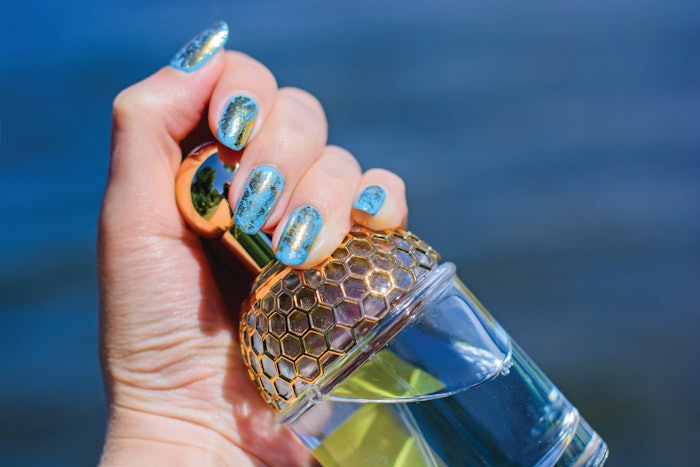
 Whether you’re a seasoned nail artist or looking to expand your skills, mastering nail stamping can add a new dimension to your services.Courtesy of irissca via Adobe Stock
 Whether you’re a seasoned nail artist or looking to expand your skills, mastering nail stamping can add a new dimension to your services.Courtesy of irissca via Adobe Stock
 Nail stamping is an art form that, with practice and the right tools, can yield stunning results.Courtesy of dark_blade via Adobe Stock
 Carrie Timmons is an award-winning Akzentz A.C.E. educator and a Hazel Dixon Professional Nail Systems Distributor based in New Bern, North Carolina.Courtesy of Carrie Timmons